Natural Ways to Boost Gonadotropin Levels: A Comprehensive Guide
July 14, 2025, 5:23 p.m.
Gonadotropin levels affect fertility and overall health. Low levels can lead to infertility, making natural solutions appealing. This guide shares practical, natural ways to boost gonadotropin levels using diet, exercise, and more. Let’s explore how to support your body without relying solely on fertility drugs.
Diet: Fueling Your Hormones Naturally
Eating right is a powerful way to boost gonadotropins, like luteinizing hormone (LH) and follicle-stimulating hormone (FSH). These hormones drive reproductive health. I’ve seen how small food swaps can make a big difference. Focus on nutrient-rich options to give your body what it needs.
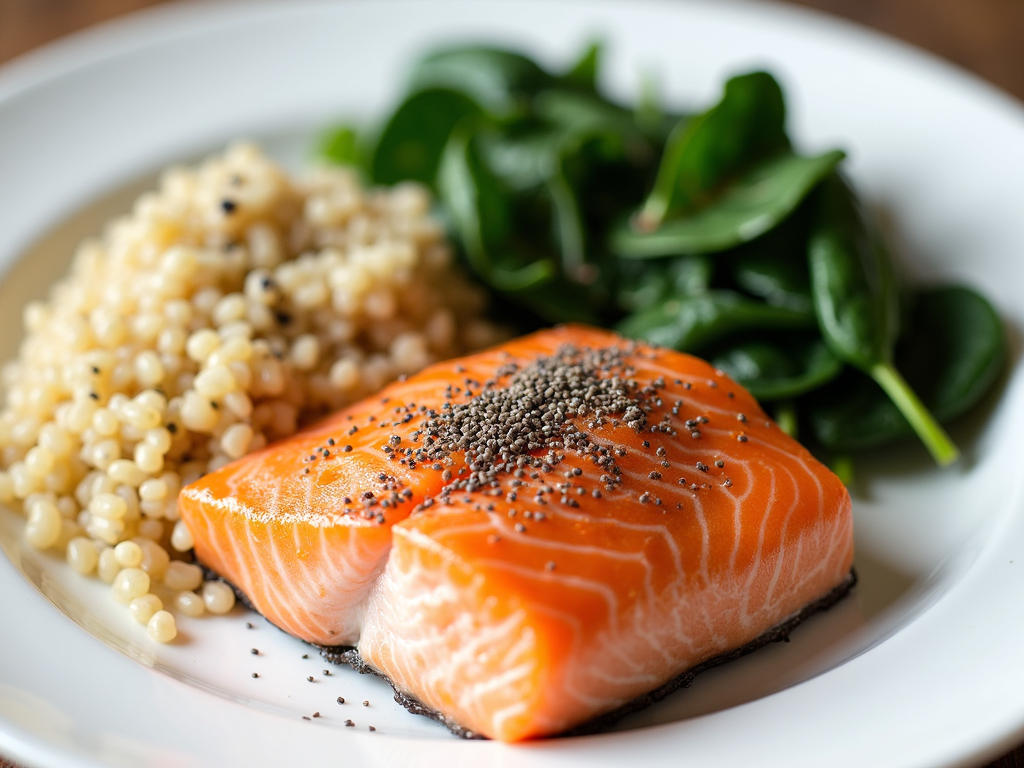
Key nutrients include: - Zinc: Supports hormone production. Find it in oysters, beef, and pumpkin seeds. - Vitamin D: Helps regulate hormones. Get it from sunlight, salmon, or egg yolks. - Omega-3s: Balances hormones and fights inflammation. Try salmon, walnuts, or chia seeds. - Antioxidants: Protects reproductive cells. Load up on berries and nuts.
Build meals with leafy greens (spinach, kale), lean proteins (chicken, beans), whole grains (quinoa, oats), and healthy fats (avocado, olive oil). Avoid processed junk, sugary drinks, excess alcohol, and too much caffeine—they can throw hormones off track.
Here’s a quick table of hormone-friendly foods:
| Nutrient | Food Sources |
|---|---|
| Zinc | Oysters, Beef, Seeds |
| Vitamin D | Salmon, Eggs, Sunlight |
| Omega-3s | Walnuts, Flaxseeds |
| Antioxidants | Berries, Nuts |
I started adding spinach and salmon to my weekly meals—within months, I felt more energized, and my doctor noticed improvements.
Exercise: Get Moving for Hormone Health
Exercise isn’t just for fitness—it’s a natural way to boost gonadotropin levels. It cuts stress, balances blood sugar, and lifts your mood. I used to skip workouts, thinking they’d tire me out. But adding movement changed everything.
Aim for 30 minutes most days. Try these: - Yoga: Reduces stress and balances hormones. - Walking: Simple and effective anywhere. - Strength Training: Builds muscle and boosts metabolism. - HIIT: Quick bursts for big results.
Studies, like those from the Journal of Clinical Endocrinology, show exercise can improve hormone levels. I love yoga—it’s calming and keeps me consistent.

Stress Management: Calm Your Mind, Help Your Hormones
Stress messes with gonadotropins by pumping out cortisol. Too much cortisol can tank fertility. I’ve felt this—busy weeks left me drained, and my body suffered. Managing stress is a game-changer.
Try these daily: - Meditation: Five minutes clears my head. - Deep Breathing: Slows everything down. - Nature Time: A walk outside lifts my spirits. - Hobbies: Painting or reading resets me.
Even small steps help. I started breathing deeply during breaks—my sleep improved fast.
Supplements: A Little Extra Support
Sometimes diet isn’t enough. Supplements can step in to boost gonadotropin levels naturally. I was skeptical, but research—and my own trial—convinced me.
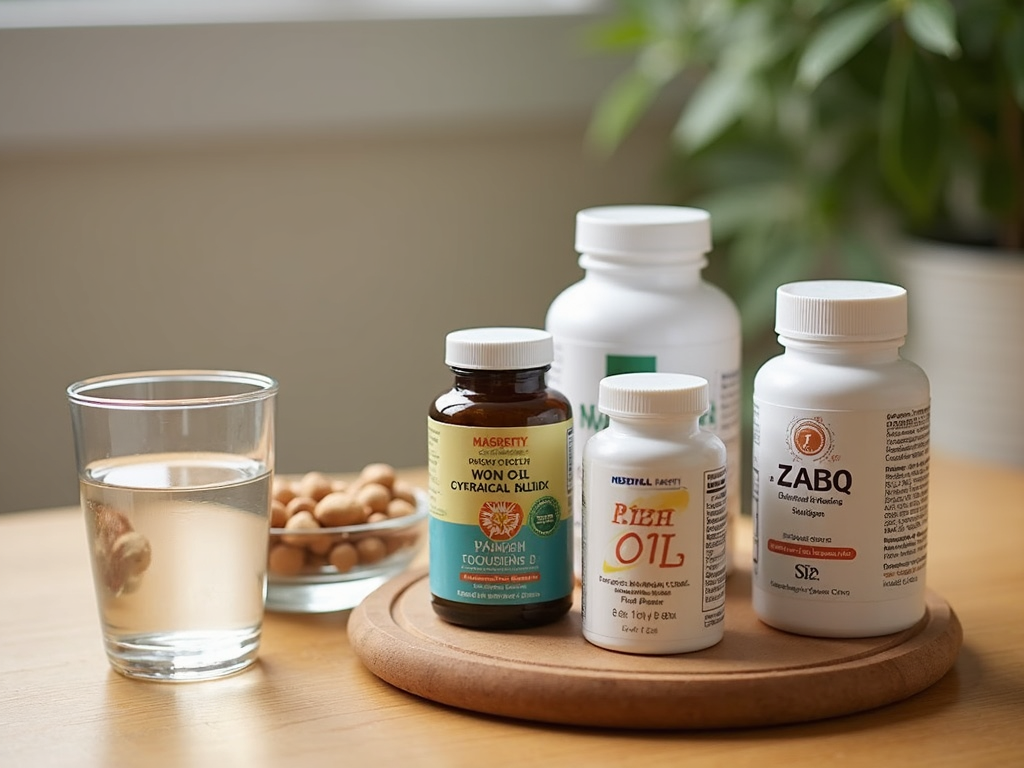
Consider these: - Vitamin D: Fixes deficiencies linked to low hormones. - Zinc: Fuels reproductive health. - Omega-3s: Supports hormone production. - Maca Root: An herb tied to fertility.
Check with a doctor first. I take Vitamin D daily now—my lab results show progress.
Sleep: Rest Your Way to Better Hormones
Sleep is huge for gonadotropins. Your body makes hormones while you rest. Skimp on sleep, and things go haywire. I used to stay up late—my energy crashed. Fixing sleep was tough but worth it.
Tips that worked for me: - Routine: Same bedtime every night. - Dark Room: Blackout curtains help. - No Screens: Ditch the phone early. - Relax: A warm bath winds me down.
Aim for 7-9 hours. After a week of solid sleep, I woke up refreshed—my mood lifted too.

Environmental Factors: Dodge the Toxins
Toxins—like BPA in plastics—act as endocrine disruptors, hurting gonadotropin levels. I didn’t realize how much my surroundings mattered until I made changes.
Here’s what helps: - Natural Products: Swap for chemical-free cleaners. - Glass Over Plastic: Ditch plastic bottles. - Filtered Water: Cuts out contaminants. - Organic Food: Less pesticide exposure.
Switching to glass containers felt small, but it’s one less worry for my hormones.
Check-Ups: Keep Tabs on Your Progress
Doctors can track gonadotropin levels and spot issues early. Fertility drugs might help some, but natural methods shine with monitoring. I visit my doc yearly—it’s empowering.
What to do: - Share Symptoms: Be open about changes. - Test Hormones: Bloodwork tells the story. - Review Habits: Talk diet and exercise. - Tweak Plans: Adjust as needed.
My last check-up showed gains from diet and sleep—proof this works.

Summary: Your Path to Better Hormone Health
Natural ways to boost gonadotropin levels—diet, exercise, stress relief, sleep, toxin avoidance, and check-ups—can transform your fertility and well-being. I’ve lived this journey, and consistency pays off. Start small, stay steady, and watch your body thrive without leaning on infertility treatments alone.