Understanding the Female Reproductive System
July 14, 2025, 7:21 a.m.
The female reproductive system is a complex and fascinating part of the human body. Understanding its functions, common disorders, and related infertility issues is crucial for women's health. This article explores these topics with personal insights and expert knowledge.
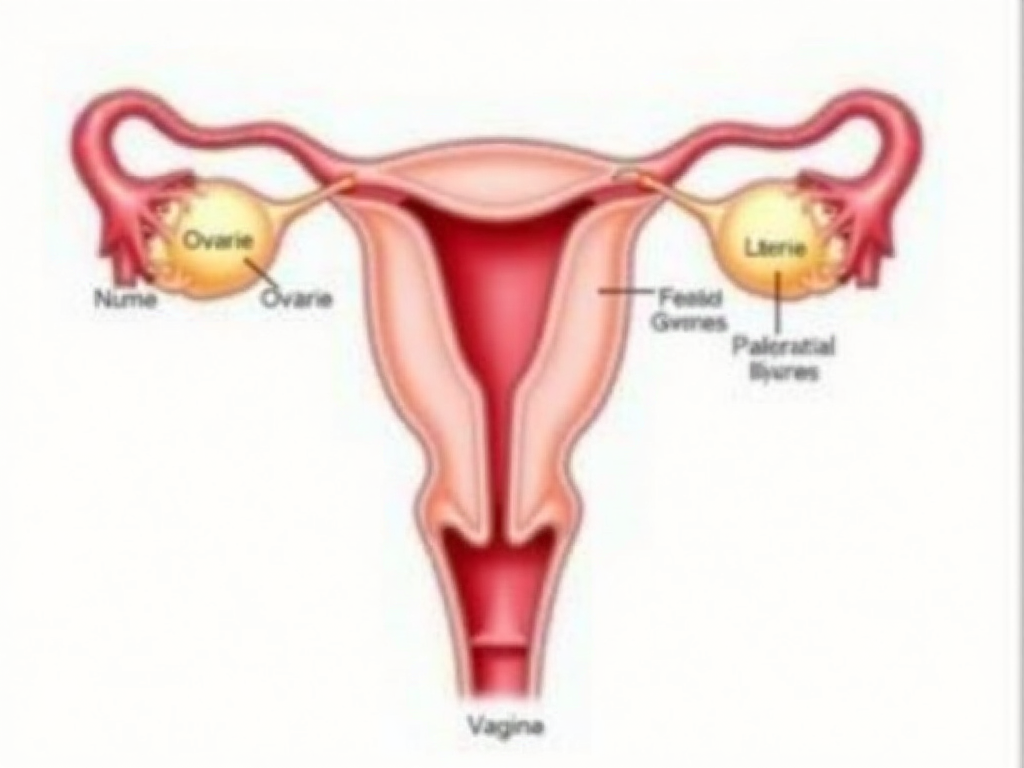
The female reproductive system includes internal and external parts. Inside, you have the ovaries, fallopian tubes, uterus, and vagina. Outside, there are the labia, clitoris, and vaginal opening. Each part works together to support reproduction and keep the body healthy.
Every month, the menstrual cycle prepares the body for pregnancy. An egg releases from the ovary during ovulation, and the uterine lining thickens. If the egg isn’t fertilized, the lining sheds as a period. It’s a natural rhythm for many women.
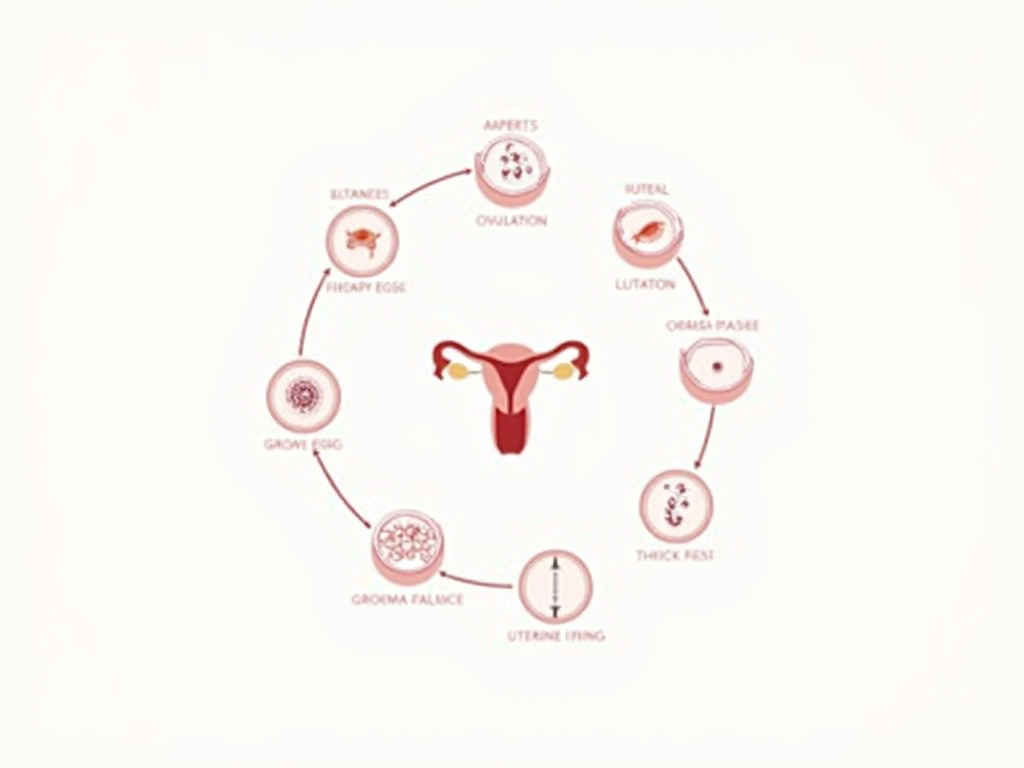
Ovulation disorders happen when eggs don’t release properly from the ovaries. This can mean irregular or no ovulation at all. These issues often lead to trouble getting pregnant, making them a key focus for women facing infertility.
I first heard about ovulation disorders in a high school health class. The teacher explained how they can mess with fertility. It hit me then—our bodies are amazing, but they can be tricky too.
Polycystic ovary syndrome, or PCOS, is a hormonal condition many women face. It brings irregular periods, high androgen levels, and ovaries with lots of small cysts. Ovulation disorders and polycystic ovary syndrome often go hand in hand, affecting fertility. Plus, it can cause insulin resistance, leading to weight gain. Managing it takes diet, exercise, and sometimes medicine.
A friend of mine has PCOS. She dealt with unpredictable periods and struggled to lose weight. It took years for doctors to figure it out. Seeing her journey showed me how vital it is to catch and treat this early.

Female infertility means not getting pregnant after a year of trying. It can stem from ovulation disorders, blocked fallopian tubes, or uterus problems. Age plays a role too—fertility drops after 35. Here’s a quick breakdown:
| Cause | Description |
|---|---|
| Ovulation disorders | Eggs don’t release right |
| Tubal factors | Blocked or damaged fallopian tubes |
| Uterine factors | Issues like fibroids or polyps in the uterus |
| Endometriosis | Tissue grows outside the uterus |
| Age | Fertility declines, especially after 35 |
Doctors diagnose infertility with exams, blood tests, and imaging like ultrasounds. Treatments vary—meds can help ovulation, surgery can fix tubes, or IVF can assist pregnancy. It depends on what’s causing the issue.
I went to a talk on infertility once. A fertility expert shared stories of couples who had kids after years of struggle. It was amazing to hear how science can step in and make a difference.

Infertility hits hard emotionally. It can bring sadness, frustration, even guilt. Relationships might feel the strain too. Talking to loved ones or joining a support group can really help lift that weight.
Here are some ways to cope: - Talk to friends or family - Find a support group - Take time for yourself - Try therapy - Learn about your options
Preconception care is about getting healthy before pregnancy. Eat well, keep a good weight, skip smoking, and cut back on alcohol. Managing things like diabetes or stress matters too.
When my partner and I planned for a baby, we got serious about health. We exercised, ate better, and chilled out more. It felt good to take charge like that.

Lifestyle affects fertility more than you’d think. A solid diet with antioxidants helps. Exercise keeps things balanced. But stress or toxins? They can throw it off. Check this out:
| Factor | Impact on Fertility |
|---|---|
| Diet | Good food boosts reproductive health |
| Exercise | Staying active helps fertility |
| Stress | Too much can hurt your chances |
| Toxins | Chemicals can mess things up |
| Smoking | Cuts fertility down |
| Alcohol | Too much harms your odds |
Seeing a doctor regularly catches problems early. Tests for STIs or cervical cancer keep things in check. It’s a simple step with big payoffs.
I visit my gynecologist every year. Knowing I’m on top of my health feels reassuring—like I’m doing my part.

The future of reproductive health looks bright. Better IVF, genetic testing, and even AI are improving success rates. Uterine transplants are being tested too—pretty incredible stuff.
“We’re finding new ways to help people become parents,” says Dr. Jane Smith, a fertility expert. She’s right—science keeps pushing forward.
Learning about your body is a game-changer. Understanding the female reproductive system helps you spot issues fast and get help when you need it.
I think knowing more gives you control. The better you get your body, the smarter you can be about your health.
To wrap up, understanding the female reproductive system is a big deal for women’s health. We’ve covered its parts, ovulation disorders, PCOS, and infertility. With personal stories and solid info, this guide aims to help you feel informed and supported.