Nutrition Tips for Boosting Fertility: A Comprehensive Guide
July 27, 2025, 7:04 a.m.
Nutrition can make a big difference in fertility for both men and women. A diet full of the right nutrients can boost reproductive health and improve your chances of conceiving. In this guide, we’ll cover Nutrition Tips for Boosting Fertility, including what to eat, what to skip, and how to plan meals. We’ll also touch on fertility treatments and diet, share personal experiences, and offer actionable steps to help you.
Why a Balanced Diet Matters
A balanced diet fuels your body and supports fertility. It’s not just about eating healthy—it’s about giving your reproductive system what it needs. When I started my fertility journey, I felt lost. But adding nutrient-rich foods like leafy greens and fish made me feel stronger and more hopeful. A solid diet can set the stage for better fertility outcomes.
Key Nutrients for Fertility
Certain nutrients stand out when it comes to fertility:
- Folate: Helps with cell growth and DNA.
- Iron: Keeps anemia away and moves oxygen around.
- Omega-3 fatty acids: Boost hormone production and cut inflammation.
- Antioxidants: Shield reproductive cells from harm.
The American Society for Reproductive Medicine says a nutrient-packed diet can improve fertility odds.
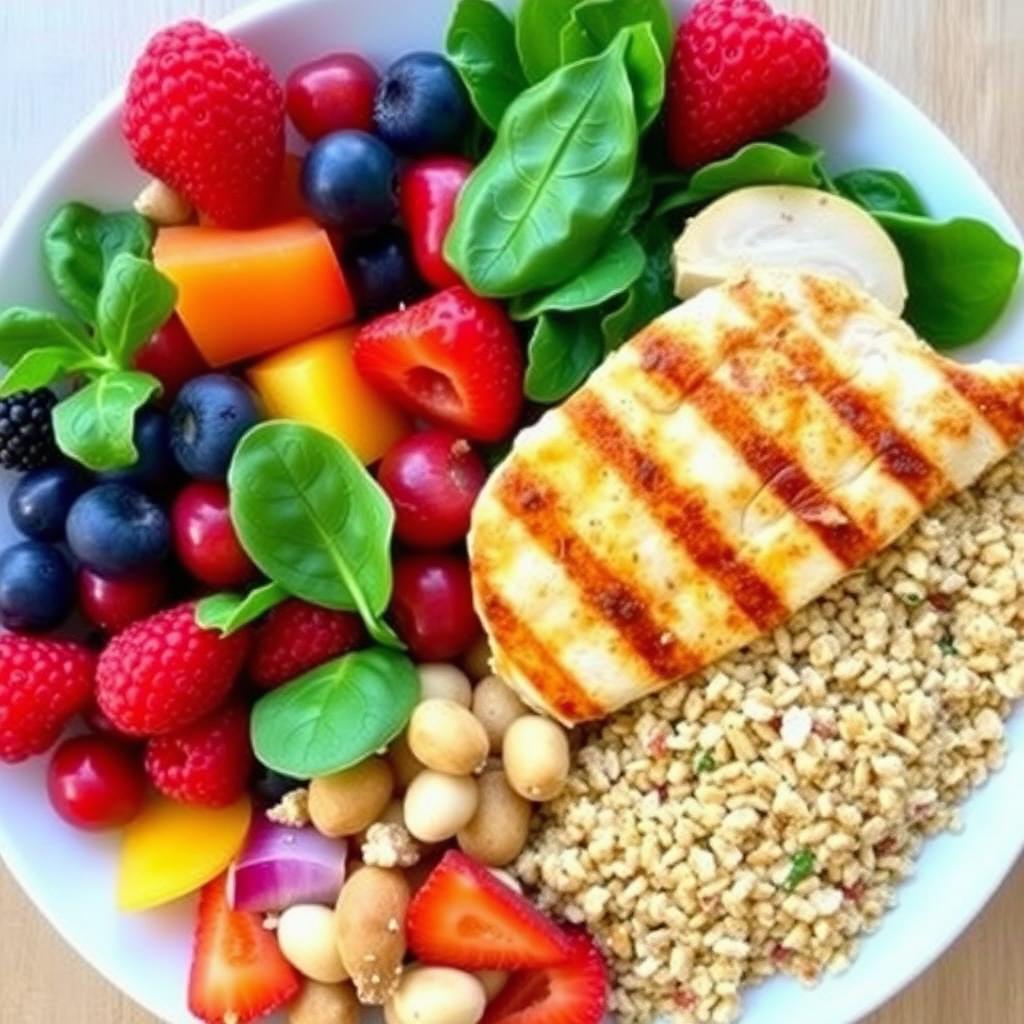
Foods to Add to Your Plate
Here’s a list of fertility-friendly foods to include:
- Leafy greens: Think spinach or kale for folate and iron.
- Fatty fish: Salmon or mackerel for omega-3s.
- Berries: Blueberries and strawberries for antioxidants.
- Whole grains: Quinoa or oats for fiber and nutrients.
- Lean proteins: Chicken or tofu for strength.
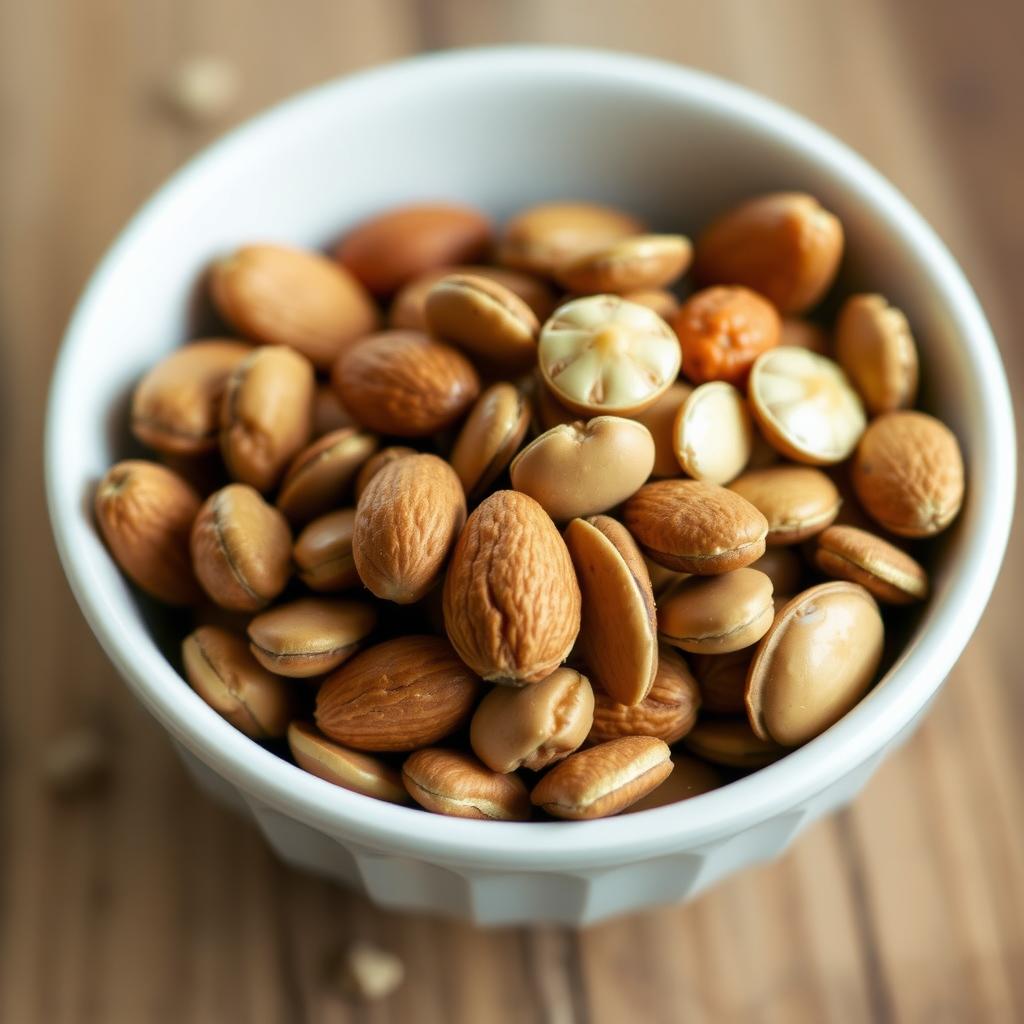
- Healthy fats: Avocado or nuts for hormone help.
I started eating more salmon and noticed a difference in my energy levels within weeks.

Foods to Cut Back On
Some foods can hurt your fertility. Try to limit these:
- Processed foods: Full of bad fats and chemicals.
- Sugary drinks: Mess with insulin levels.
- Caffeine: Too much might lower fertility.
- Alcohol: Throws hormones off balance.
Cutting soda was tough for me, but it helped me feel less bloated and more in tune with my body.
Meal Planning Made Simple
Planning meals keeps you on track. Here’s how to do it:
- Map out meals for the week ahead.
- Mix in lots of colorful fruits and veggies.
- Pick lean proteins and healthy fats.
- Drink water or herbal teas all day.
I started prepping meals on Sundays. It saved time and kept me eating right, even on busy days.
How Stress Impacts Fertility: Tips for Management
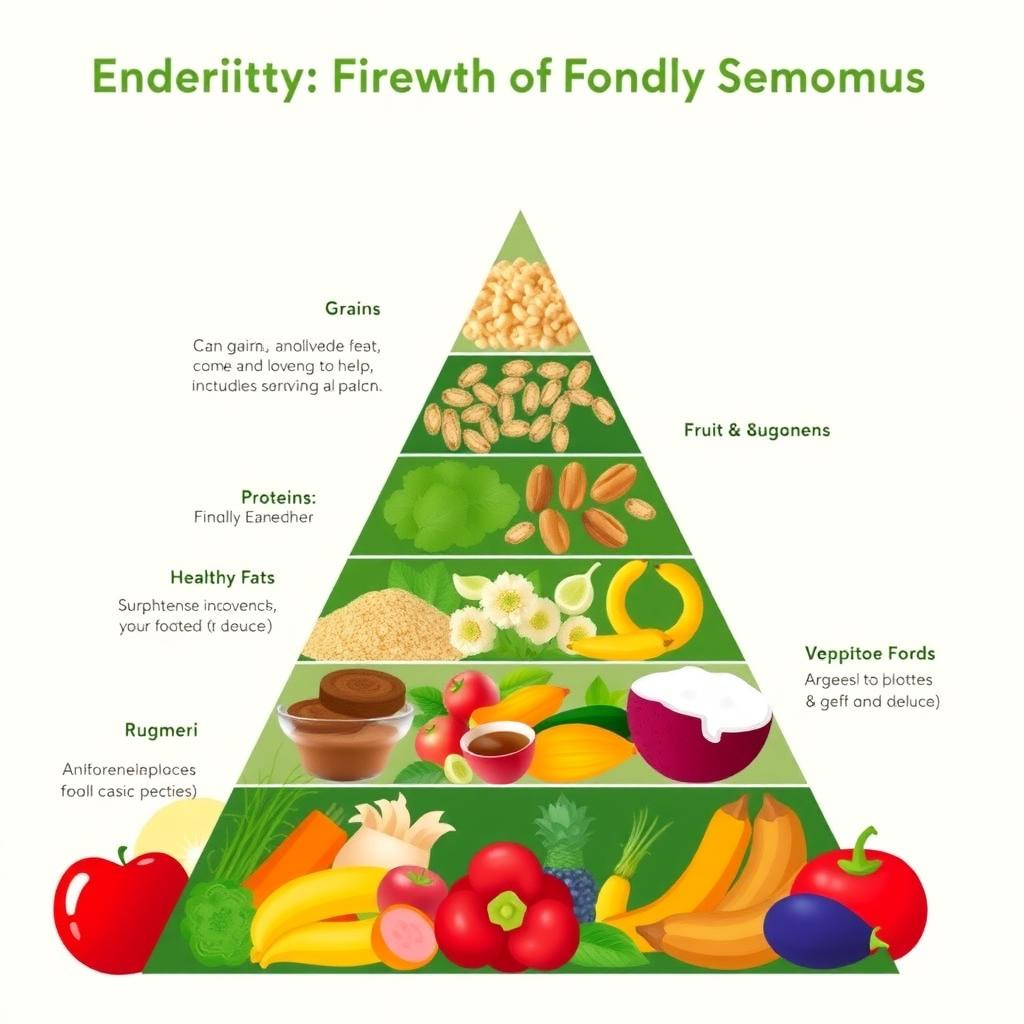
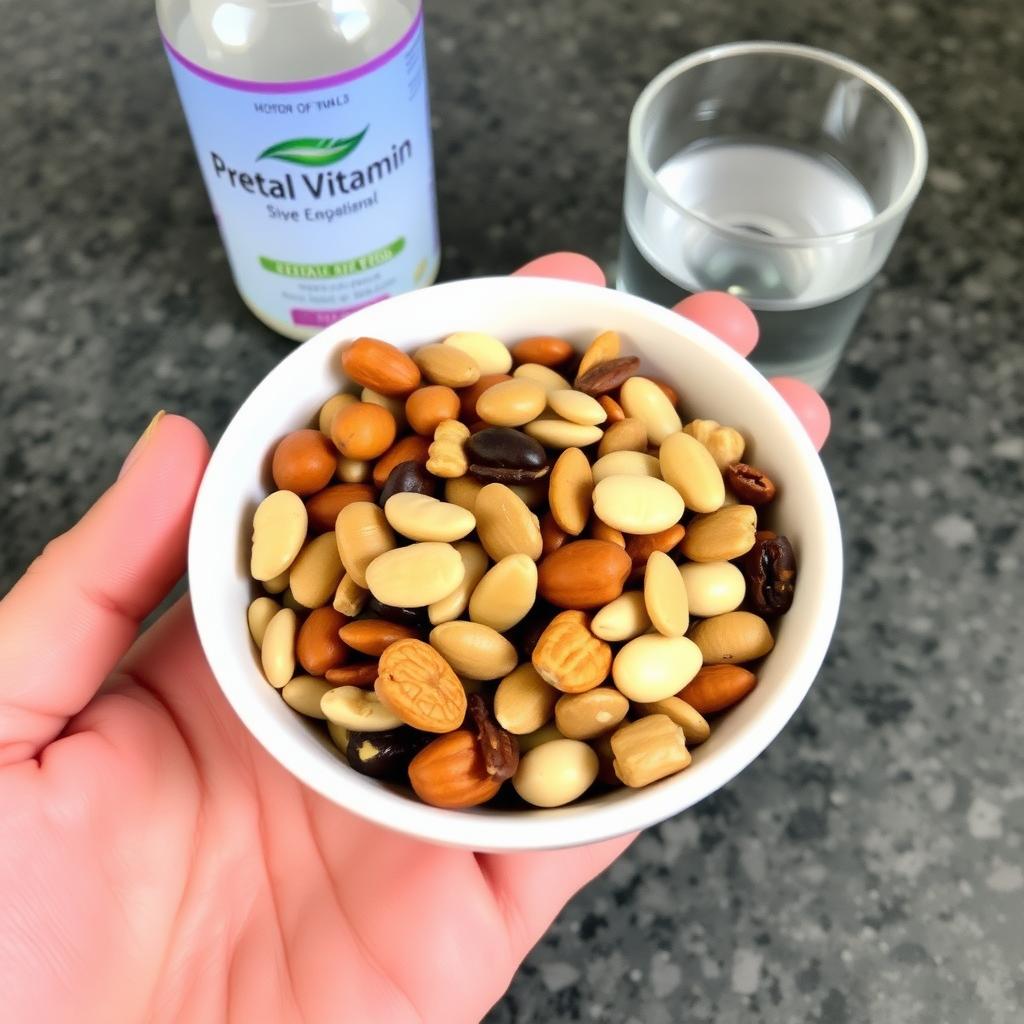
Stress can mess with fertility by throwing off hormones. A good diet helps here too. Eating well keeps your body steady, even when life gets crazy. I found that snacking on nuts and seeds calmed me down and kept my energy up. Pair that with deep breathing, and you’ve got a solid plan.
Supplements and Fertility Treatments
Supplements can give you an edge, especially if you’re exploring fertility treatments. Consider these:
- Prenatal vitamins: Load up on essentials.
- Omega-3s: Great for reproductive health.
- Coenzyme Q10: Might boost egg quality.
A Harvard study found diet tweaks can support fertility treatments. Always check with your doctor first, though.
Overcoming Infertility: A Couple’s Guide
Fertility is a team effort. My partner and I tackled it together—cooking meals, sharing ideas, and keeping stress low. We swapped takeout for home-cooked dinners and felt more connected. A strong diet can bond you while boosting your chances.
A Peek at the Nutrients
Here’s a table to compare some fertility foods:
| Food | Folate (mcg) | Iron (mg) | Omega-3 (g) |
|---|---|---|---|
| Spinach | 58 | 2.7 | 0.1 |
| Salmon | 0 | 0.4 | 2.3 |
| Blueberries | 0 | 0.3 | 0.1 |
| Quinoa | 42 | 2.8 | 0.1 |
This helped me see what I was getting from each bite.
Wrapping It Up
Nutrition Tips for Boosting Fertility boil down to this: eat well, plan ahead, and manage stress. Small changes—like more greens or fewer sugary drinks—can lift your reproductive health. Whether you’re trying naturally or with fertility treatments and diet in mind, these steps work. Talk to a doctor before big shifts, and keep going—you’ve got this!