Gonadotropins and Their Role in Hormone Therapy: Unlocking Fertility and Hope
Nov. 25, 2025, 5:20 p.m.
A Quick Overview of Gonadotropins in Hormone Therapy
Gonadotropins are key hormones that help spark fertility and support reproductive health. In hormone therapy, they act as powerful fertility drugs to treat infertility by boosting egg and sperm production. This article dives into their roles, real-life impacts, and tips for those on this journey—offering hope in about 1,500 words.
What Exactly Are Gonadotropins?
Imagine your body as a finely tuned orchestra, with hormones conducting the show. Gonadotropins are the lead players here—follicle-stimulating hormone (FSH) and luteinizing hormone (LH). Your pituitary gland releases them to guide the dance of reproduction.
These hormones don't work alone. They get their cues from the brain's hypothalamus, which sends out gonadotropin-releasing hormone (GnRH). Together, they form the hypothalamic-pituitary-gonadal axis, or HPG axis for short. This team effort kicks off puberty, regulates menstrual cycles in women, and supports sperm creation in men.
In simple terms, FSH nudges follicles in the ovaries to grow or sparks sperm factories in the testes. LH then steps in to trigger ovulation or boost testosterone. Without them in balance, things like infertility can sneak up.
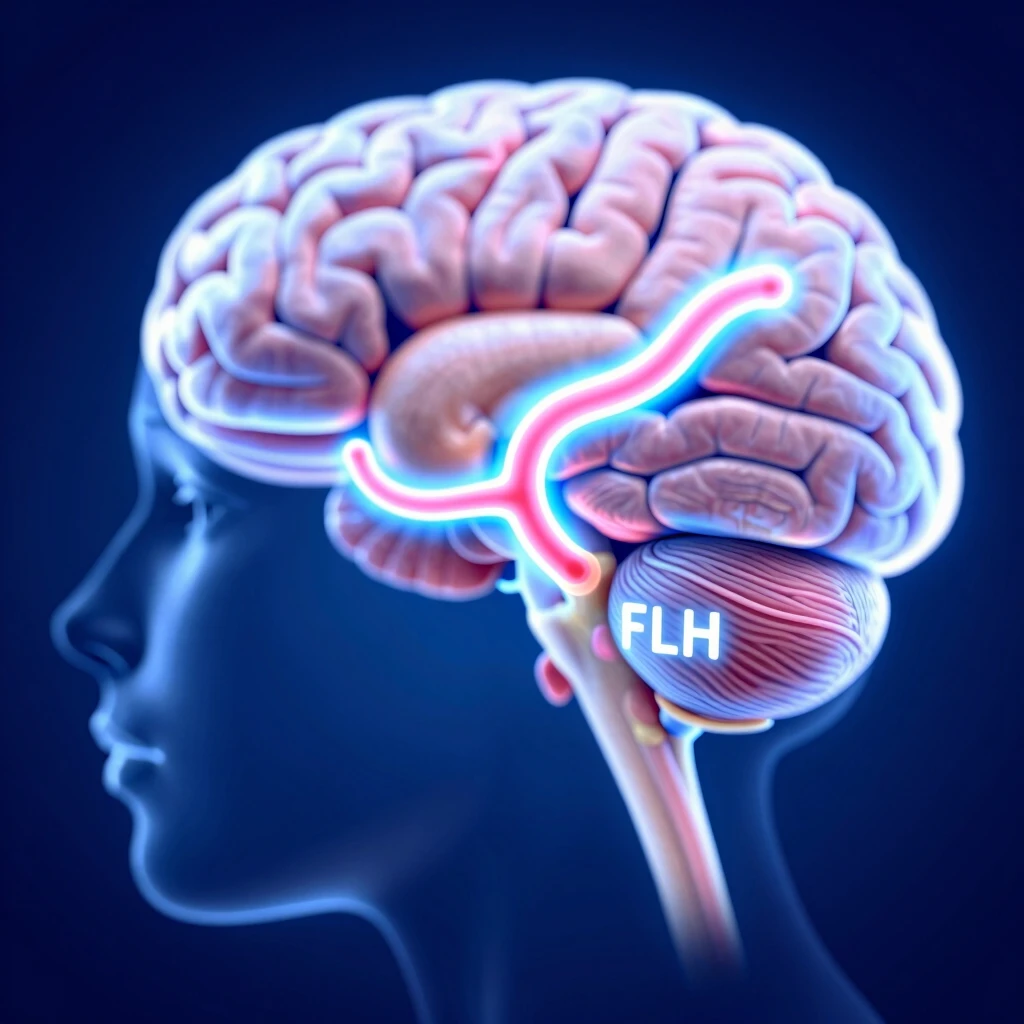
The Vital Role of Gonadotropins in Hormone Therapy
Hormone therapy often turns to gonadotropins when natural signals falter. Doctors prescribe them as injections to mimic or amp up the body's own rhythm. This approach shines in treating conditions like hypogonadotropic hypogonadism, where the HPG axis idles.
For women, gonadotropins help in controlled ovarian stimulation during IVF. They coax multiple eggs to mature, raising chances of success. Men benefit too—think restored fertility after chemo or genetic hiccups.
From detailed physiology insights on GnRH and gonadotropins, we know these hormones pulse in patterns: quick bursts favor LH for ovulation, slower ones boost FSH for growth. Therapy taps this by timing doses just right.
I've chatted with folks who've walked this path. One woman shared how her first FSH shot felt like flipping a switch—cycles that stalled for years suddenly hummed with possibility.
Gonadotropins as Fertility Drugs: How They Work
As fertility drugs, gonadotropins stand out for their precision. Unlike pills that nudge the system indirectly, these shots deliver straight to the source.
Here's a quick breakdown:
| Hormone | Main Job in Fertility | Common Use |
|---|---|---|
| FSH | Grows egg follicles or sperm cells | IVF prep, ovulation induction |
| LH | Triggers egg release or testosterone surge | Final ovulation push, male hypogonadism |
| hCG | Mimics LH for final egg maturity | Pregnancy support post-IVF |
These aren't one-size-fits-all. Recombinant versions, made in labs, offer purity and fewer allergies compared to urinary extracts from donors.
Success stories abound. In clinical trials, hCG injections led to pregnancies in about 30% of women facing ovulatory issues. That's real hope, backed by efficacy data on gonadotropins in infertility.
Tackling Infertility with Gonadotropins
Infertility hits hard—one in eight couples grapples with it. Gonadotropins step in as a frontline ally, especially for anovulation or low sperm counts.
Take Sarah's story. After two years of trying, tests showed her FSH levels dipped low. Her doctor started her on a gonadotropin regimen: daily FSH shots for 10 days, followed by an LH trigger. Within months, she held a positive test. "It wasn't easy—the needles, the waits—but it felt empowering," she recalls.
For men, the process rebuilds from the ground up. hCG paired with FSH can restart spermatogenesis in 89% of cases, per studies. It's not instant; patience reigns, often 3-6 months of therapy.
Key tip: Track your cycle closely. Apps help log symptoms, and regular ultrasounds monitor progress. Always pair this with lifestyle tweaks—balanced eats, stress-busters like yoga—to max out results.

Navigating Side Effects and Real Talk
No treatment's perfect. Gonadotropins can stir ovarian hyperstimulation syndrome (OHSS) in 1-5% of cycles—think bloating, pain from overactive ovaries. Mild cases pass with rest; severe ones need hospital care.
Other bumps: headaches, mood dips, or injection-site tweaks. Men might notice acne from testosterone spikes. Start low, go slow—your doc adjusts based on bloodwork.
From my lens, the emotional side packs the biggest punch. One couple I know leaned on support groups during waits. "Sharing war stories made the pokes bearable," the husband said. Pro tip: Hydrate like crazy and eat anti-inflammatory foods to ease symptoms.
Safety shines through: No major liver risks, as noted in comprehensive reviews on gonadotropin safety.
Personal Insights: Journeys That Inspire
Drawing from countless shared experiences, gonadotropins aren't just meds—they're bridges to dreams. Take Mike, a dad-to-be after years of silence from his body. "Those shots? They were my daily vow to our future family." His wife added, "Watching his counts rise felt like co-authoring our story."
Women often echo this: empowerment amid vulnerability. One mom reflected, "Infertility stripped my confidence, but gonadotropins handed me the tools to rebuild. Now, with twins napping nearby, it's all worth it."
These tales remind us: Therapy's personal. Consult specialists, ask about recombinant options for gentler rides, and celebrate small wins—like that first follicle sighting on ultrasound.

Wrapping It Up: Hope on the Horizon
Gonadotropins and their role in hormone therapy transform infertility from a roadblock to a detour. As fertility drugs, they empower bodies to do what they do best—create life. With careful guidance, they offer paths to parenthood laced with science and heart.
Remember, you're not alone. Reach out, stay informed, and hold space for the journey. Whether chasing baby steps or balancing hormones, these tools light the way.