The Role of Diet in Women's Fertility
July 15, 2025, 7:09 a.m.
Overview
Understanding the connection between diet and fertility is crucial for women trying to conceive. A balanced diet can support reproductive health, while poor nutrition may contribute to infertility. This article explores how dietary choices can influence women's fertility and offers practical advice for optimizing nutrition.
Main Content
Introduction
Fertility is a complex issue influenced by many factors, including age, genetics, and lifestyle. Among these, diet plays a significant role. For women, maintaining a healthy weight and consuming the right nutrients can enhance fertility. This section delves into the specifics of how diet affects women's reproductive health.
The Impact of Weight on Fertility
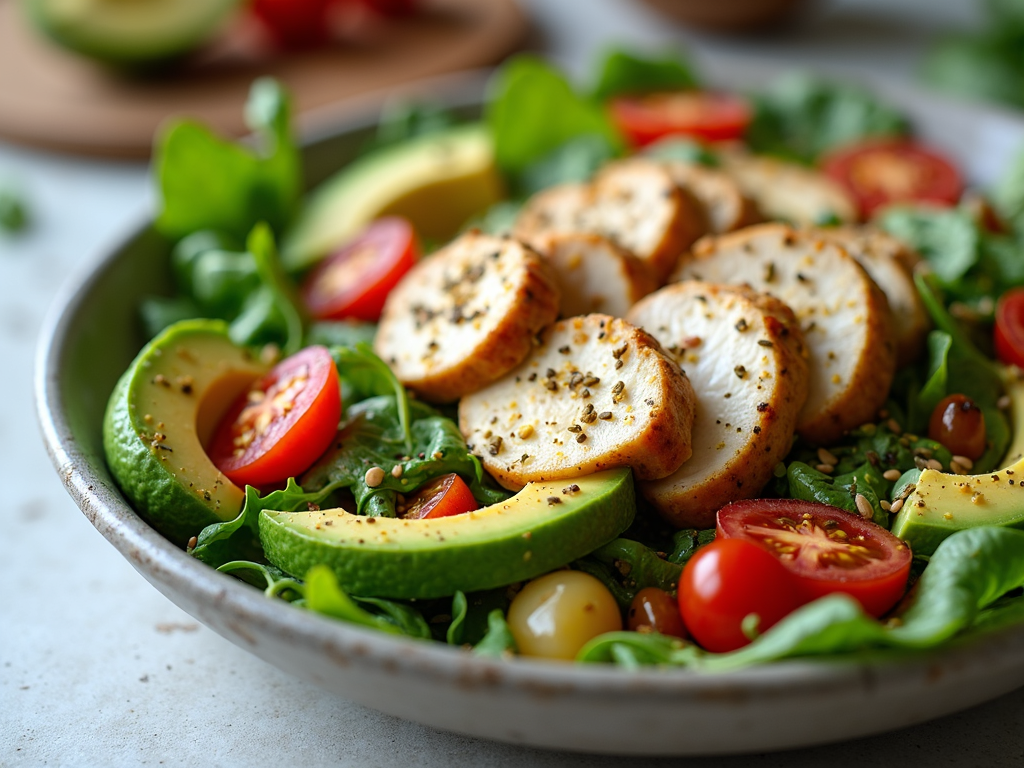
Body weight is closely linked to fertility. Both underweight and overweight conditions can disrupt hormonal balance, leading to irregular menstrual cycles and ovulation issues. Women with a Body Mass Index (BMI) outside the normal range (18.5-24.9) may experience difficulties conceiving. Achieving a healthy weight through a balanced diet and regular exercise can improve fertility outcomes.
Underweight and Fertility
Being underweight can lead to amenorrhea (absence of menstruation) or irregular periods, which can hinder conception. A diet lacking in essential nutrients may also affect egg quality. Women who are underweight should focus on increasing their calorie intake with nutrient-dense foods like nuts, seeds, and healthy fats.
Overweight and Fertility
Excess body weight can cause hormonal imbalances, particularly insulin resistance, which may lead to polycystic ovary syndrome (PCOS)—a common cause of infertility. Weight loss through a healthy diet and exercise can help regulate hormones and improve fertility in overweight women.

Key Nutrients for Fertility
Certain nutrients are particularly important for women's reproductive health. Incorporating these into the diet can enhance fertility.
Folic Acid
Folic acid is essential for cell division and the development of the neural tube in early pregnancy. Women trying to conceive should consume at least 400 micrograms of folic acid daily. Good sources include leafy greens, citrus fruits, and fortified cereals.
Omega-3 Fatty Acids
Omega-3s support hormone production and reduce inflammation, which can improve fertility. Fatty fish like salmon, chia seeds, and walnuts are excellent sources.
Iron
Iron deficiency can lead to anemia, which may affect ovulation. Women should ensure they get enough iron from sources like lean meats, beans, and fortified foods.
Antioxidants
Antioxidants like vitamins C and E protect reproductive cells from oxidative stress. Berries, nuts, and green vegetables are rich in antioxidants.
Dietary Patterns and Fertility
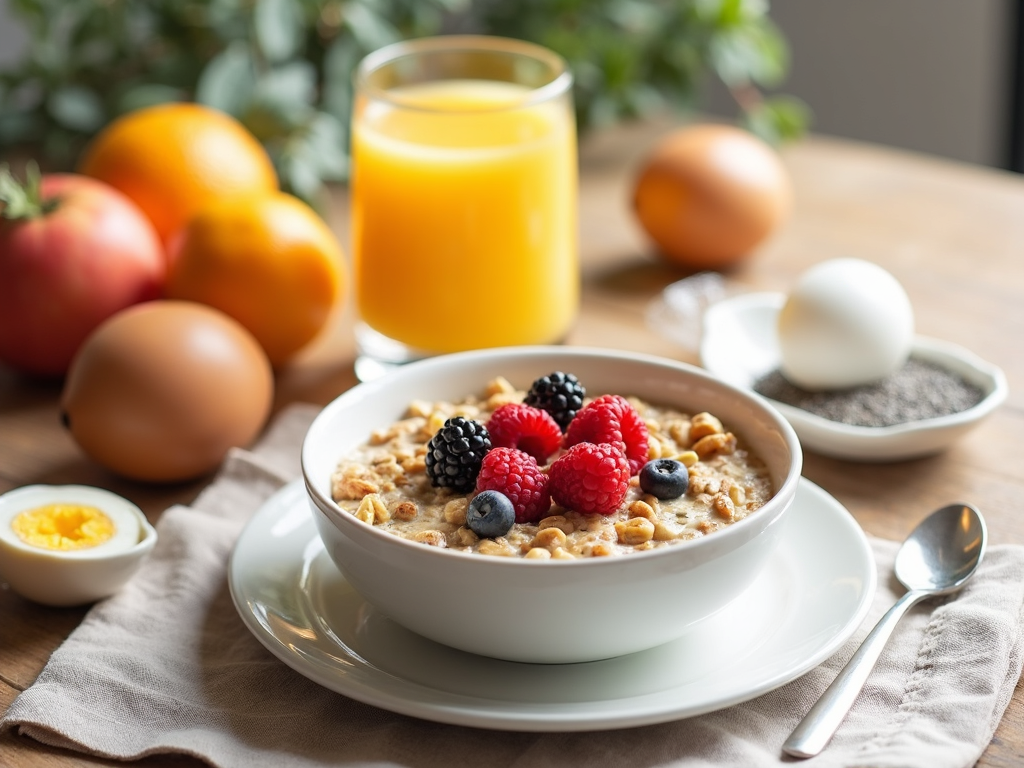
Beyond individual nutrients, overall dietary patterns can influence fertility. Research suggests that certain diets are more conducive to reproductive health.
The Mediterranean Diet
The Mediterranean diet, rich in fruits, vegetables, whole grains, and healthy fats, has been associated with improved fertility. Its emphasis on plant-based foods and lean proteins supports hormonal balance and reduces inflammation.
Low-Carb Diets
Low-carb diets may benefit women with PCOS by improving insulin sensitivity and promoting weight loss. However, it's important to choose healthy, nutrient-dense carbohydrates like vegetables and whole grains.
Plant-Based Diets
Plant-based diets can be beneficial for fertility if they provide adequate protein, iron, and other essential nutrients. Women should ensure they get enough vitamin B12, which is primarily found in animal products.

Lifestyle Factors
Diet is just one piece of the puzzle. Other lifestyle factors can also impact fertility.
Exercise
Regular physical activity can help maintain a healthy weight and reduce stress, both of which are important for fertility. However, excessive exercise can have the opposite effect, so moderation is key.
Stress Management
Chronic stress can disrupt hormonal balance and affect fertility. Techniques like yoga, meditation, and deep breathing can help manage stress levels.
Sleep
Adequate sleep is crucial for hormonal regulation. Women should aim for 7-9 hours of quality sleep per night.

Common Dietary Mistakes
Certain dietary habits can negatively impact fertility. Being aware of these can help women make better choices.
Excessive Caffeine
High caffeine intake has been linked to reduced fertility. Women trying to conceive should limit their caffeine consumption to less than 200 milligrams per day.
Alcohol
Alcohol can disrupt hormonal balance and affect ovulation. It's best to avoid alcohol when trying to conceive.
Processed Foods
Processed foods high in sugar and unhealthy fats can lead to weight gain and inflammation, both of which can impair fertility.

Conclusion
Diet plays a crucial role in women's fertility. By maintaining a healthy weight, consuming key nutrients, and adopting a balanced dietary pattern, women can enhance their reproductive health. Additionally, managing lifestyle factors like exercise, stress, and sleep can further support fertility. Making informed dietary choices can be a powerful step toward achieving a healthy pregnancy.