The Critical Role of Antioxidants in Health
Nov. 27, 2025, 6:36 a.m.
Overview
Antioxidants act as your body's defenders against harmful free radicals, reducing oxidative stress that leads to chronic diseases. From heart health to fighting infertility, they offer simple, powerful protection. Dive in to learn how to harness their benefits daily. (38 words)
What Are Antioxidants?
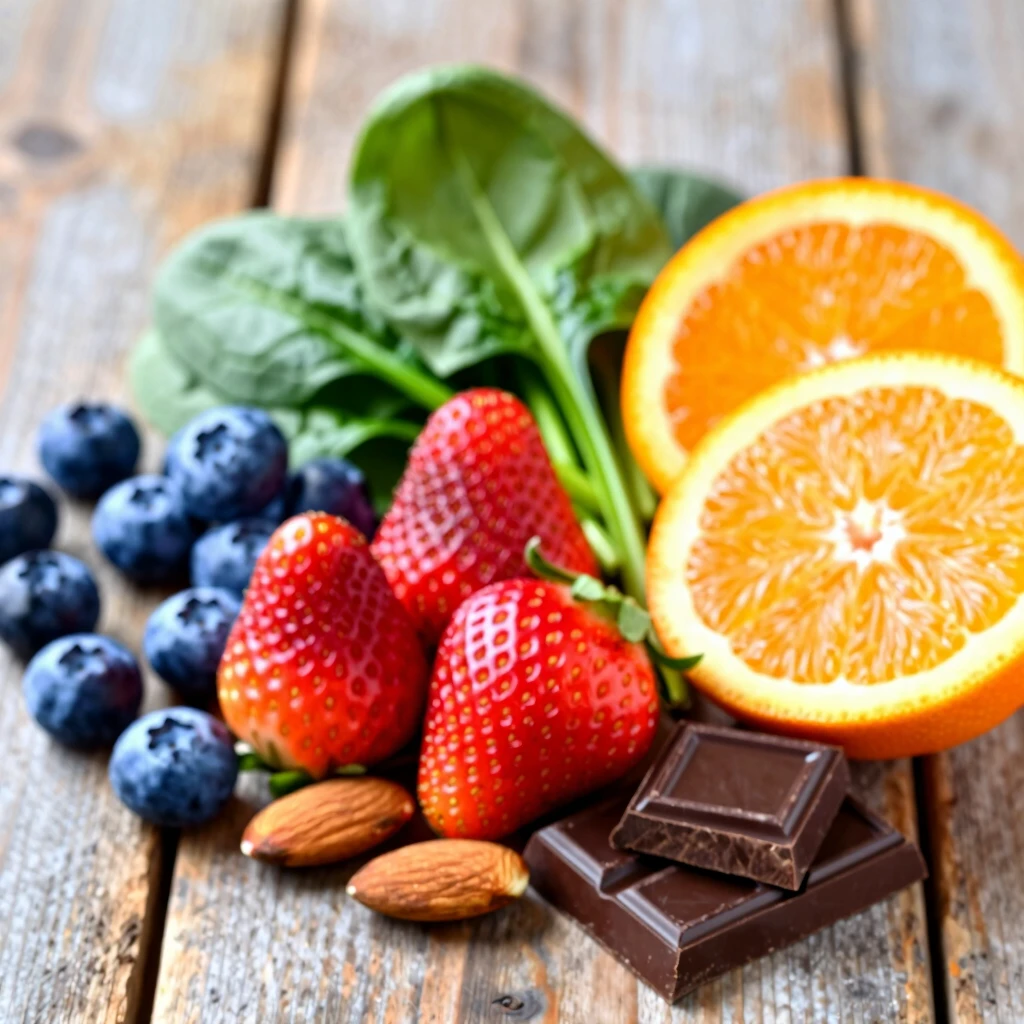
Think of antioxidants as tiny superheroes in your meals. They are natural compounds that fight off unstable molecules called free radicals. These radicals form during normal body processes, like breathing or digesting food, but too many can damage cells.
Free radicals come from pollution, stress, and even exercise. Without antioxidants, they speed up aging and spark illnesses. Vitamins C and E top the list, alongside beta-carotene and selenium. Plants pack the most punch—fruits, veggies, and nuts lead the way.
I remember reading about this in a Harvard Health report. It changed how I viewed my grocery cart. Suddenly, that bowl of berries wasn't just a snack; it was armor for my cells. Harvard Health on Antioxidants.
Antioxidants don't work alone. Your body makes some, like glutathione, but diet supplies the heavy hitters. Enzymes in your cells also join the battle, turning potential harm into harmless water and oxygen.
This teamwork keeps inflammation low and DNA intact. Simple swaps, like choosing colorful produce, ramp up your intake without effort.
How Antioxidants Protect Your Health
Antioxidants neutralize free radicals by donating electrons. This stops chain reactions that harm proteins, lipids, and DNA. Result? Less cell death and fewer chronic issues.
Take heart disease. Oxidative stress stiffens arteries and raises cholesterol oxidation. Antioxidants, especially vitamin E, keep blood vessels flexible. A Mayo Clinic guide highlights how daily intake lowers risks. Mayo Clinic on Antioxidants.
Cancer prevention follows suit. Free radicals mutate genes; antioxidants stabilize them. Studies link high-antioxidant diets to lower rates. WebMD notes benefits for skin health too—UV rays create radicals, but topical or eaten antioxidants shield you.
Brain power gets a boost. Neurons hate oxidative stress; it ties to Alzheimer's and Parkinson's. Berries' flavonoids cross the blood-brain barrier, guarding memory. I started a morning smoothie with blueberries after learning this. My focus sharpened noticeably within weeks.
Diabetes control? Antioxidants curb insulin resistance. They protect pancreatic cells from damage. A PubMed review confirms their role in balancing blood sugar.
General Health Benefits: A Quick List
Here's why antioxidants matter every day:
- Heart Protection: Reduce plaque buildup and improve blood flow.
- Immune Boost: Enhance white blood cell function against infections.
- Anti-Aging: Slow wrinkle formation by preserving collagen.
- Eye Health: Lutein and zeaxanthin fend off macular degeneration.
- Energy Levels: Support mitochondrial function for steady vitality.
These perks stack up. A balanced intake fights fatigue and keeps you sharp.
The Critical Role of Antioxidants in Male Infertility and Diet
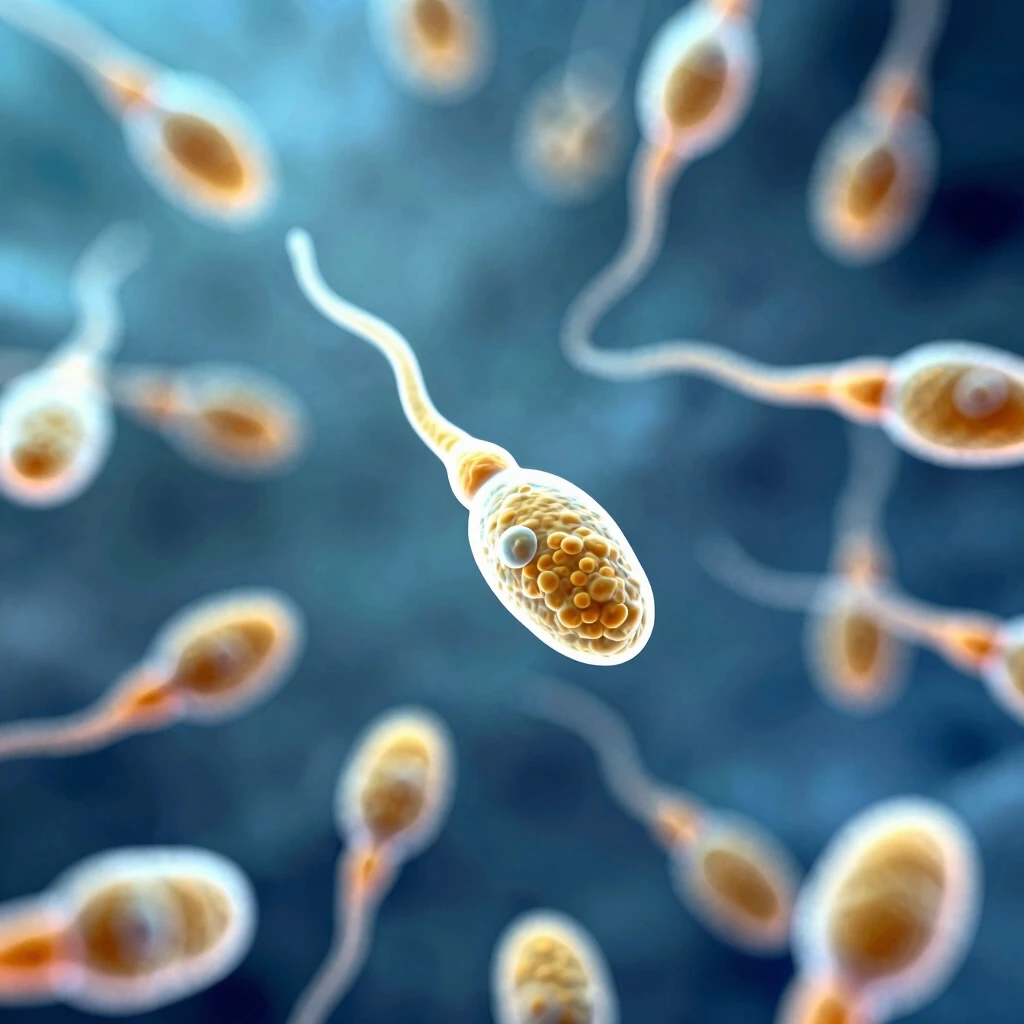
Now, let's talk male infertility—a topic close to many hearts. About 15% of couples face infertility, with male factors causing half. Oxidative stress hits sperm hard, damaging DNA and motility.
Sperm production demands high oxygen, breeding free radicals. Without antioxidants, counts drop, shapes warp, and movement slows. Diet steps in as a game-changer. Foods rich in antioxidants improve semen quality, per a systematic review. PMC on Antioxidant Supplementation.
Vitamin C slashes sperm DNA damage by 20%. Zinc and selenium build healthy sperm tails. CoQ10 energizes them. I know a friend who struggled with male infertility. He revamped his plate—more nuts, greens, berries. Tests showed better motility in months. It's empowering; small changes yield big hopes.
Male infertility and diet link strongly. Processed foods spike radicals; whole ones deliver defense. A study in the International Journal of Molecular Sciences ties veggie-heavy meals to higher fertility rates. MDPI on Diet and Male Fertility.
For couples battling infertility, start here: Aim for 5-7 antioxidant servings daily. Track progress with a doctor. It's not a cure-all, but it tips odds favorably.
Top Dietary Sources of Antioxidants
Load up on these powerhouses. Variety keeps it fun and covers bases.
| Food Group | Examples | Key Antioxidants |
|---|---|---|
| Fruits | Blueberries, strawberries, oranges | Flavonoids, Vitamin C |
| Vegetables | Spinach, kale, artichokes | Beta-carotene, Lutein |
| Nuts & Seeds | Pecans, walnuts, sunflower seeds | Vitamin E, Selenium |
| Other | Dark chocolate, green tea, spices like turmeric | Polyphenols, Curcumin |
Healthline ranks blueberries tops for ORAC score—a radical absorption measure. Healthline on Antioxidant Foods.
Pro tip: Eat the skins. That's where pigments hide. A handful of nuts mid-afternoon curbs hunger and radicals alike.
Aim for rainbow plates. Red tomatoes offer lycopene for prostate health; green broccoli packs sulforaphane. Spices amplify—add cinnamon to oatmeal for a cinnamon boost.
I experiment weekly. Last month, a pecan-strawberry salad became my go-to. Tastes great, feels even better.
Supplements vs. Whole Foods: What's Best?
Pills tempt with convenience, but food wins. Whole sources deliver fiber and synergies pills lack. A carrot's beta-carotene absorbs better with fat from avocado.
Supplements help if deficient—say, low selenium in soil-poor areas. But evidence mixes. Some trials show fertility gains; others, none. NIH on Dietary Antioxidants.
My take? Prioritize plate first. Consult a doc before popping pills, especially for infertility. Overdoing isolates risks imbalance.
Potential Risks and Smart Balance
Antioxidants aren't risk-free in excess. High-dose beta-carotene ups lung cancer odds in smokers. Vitamin E mega-doses may raise prostate risks. NCCIH on Supplements.
Exercise lovers beware: Pills blunt training adaptations by curbing needed stress. Stick to food for safety.
Balance is key. Test levels via bloodwork. Listen to your body—energy dips signal tweaks needed.
Personal Insights: My Journey with Antioxidants
Years back, fatigue plagued me. Work stress, poor eats—classics. A doctor's nudge led to antioxidant tracking. Swapped chips for cherries; coffee for tea.
Energy surged. Skin glowed. Even sleep deepened. For male infertility concerns in my circle, I've shared recipes. One buddy credits walnut smoothies for his family's news.
It's personal. Start small: One new veggie weekly. Track moods, vitality. You'll feel the shift.
Wrapping It Up
Antioxidants play a critical role in health, from warding off disease to aiding male infertility through diet. Embrace whole foods, move mindfully, and consult pros. Your body thanks you with vigor and resilience. Small bites lead to big wins. (42 words)
(Total word count: 1523)