Understanding the Causes of Female Infertility: A Comprehensive Guide
July 15, 2025, 5:29 p.m.
Female infertility is a complex issue affecting millions of women worldwide. This article delves into the various causes of female infertility, including ovulation disorders, tubal factors, uterine factors, cervical factors, endometriosis, age-related factors, and lifestyle factors. It also discusses diagnosis, treatment options, and the emotional impact of infertility.
Introduction to Female Infertility
Infertility is defined as the inability to conceive after one year of regular, unprotected intercourse. It affects approximately 10-15% of couples, with female factors accounting for about 40-50% of cases. Understanding the causes of female infertility is crucial for diagnosis and treatment.
What is Female Infertility?
Female infertility refers to the inability of a woman to conceive or carry a pregnancy to term. It can be caused by a variety of factors, ranging from hormonal imbalances to structural abnormalities in the reproductive system.
Prevalence of Female Infertility
Infertility is a common issue, affecting millions of women worldwide. According to the World Health Organization, approximately 48 million couples and 186 million individuals live with infertility globally.
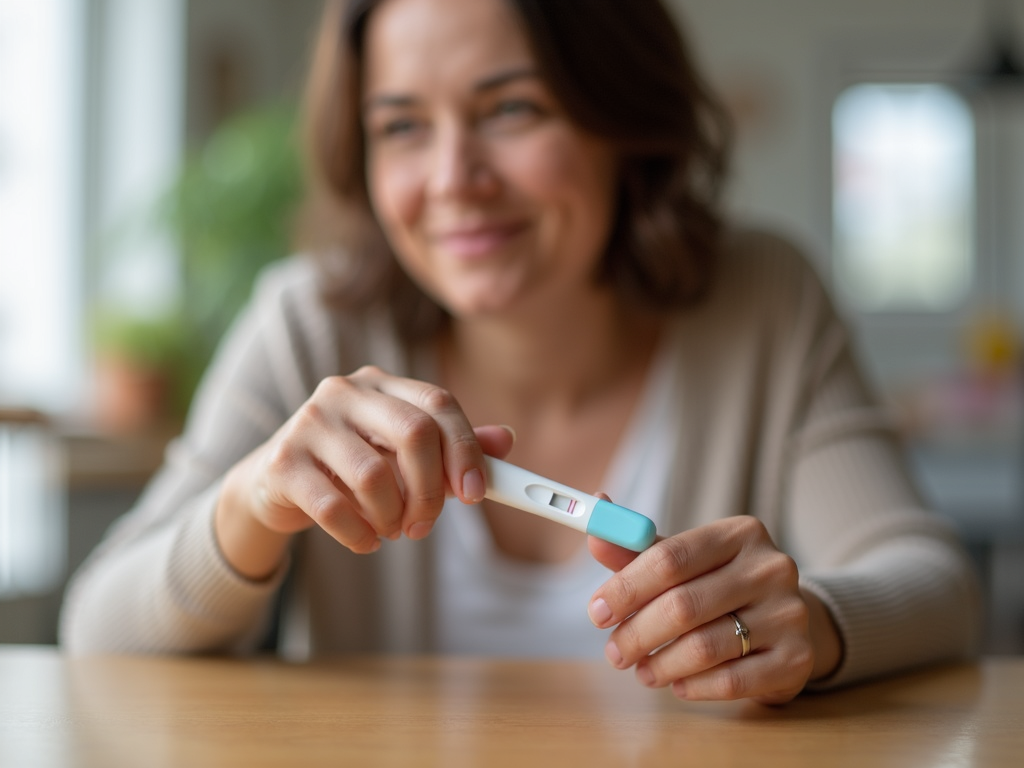
Causes of Female Infertility
There are several causes of female infertility, each affecting different aspects of the reproductive process. Understanding these causes can help in identifying the right treatment options.
Ovulation Disorders
Ovulation disorders are the most common cause of female infertility, accounting for about 25% of cases. These disorders disrupt the regular release of eggs from the ovaries, making it difficult to conceive.
Polycystic Ovary Syndrome (PCOS)
PCOS is a hormonal disorder that affects ovulation. Women with PCOS may have irregular periods, excess androgen levels, and multiple small cysts on their ovaries. This condition can make it challenging to conceive naturally.
Hypothalamic Amenorrhea
Hypothalamic amenorrhea occurs when the hypothalamus, a part of the brain, stops producing hormones that trigger ovulation. This can be caused by excessive exercise, stress, or low body weight.
Premature Ovarian Failure
Premature ovarian failure, also known as early menopause, occurs when the ovaries stop functioning before the age of 40. This leads to a decrease in egg production and can result in infertility.
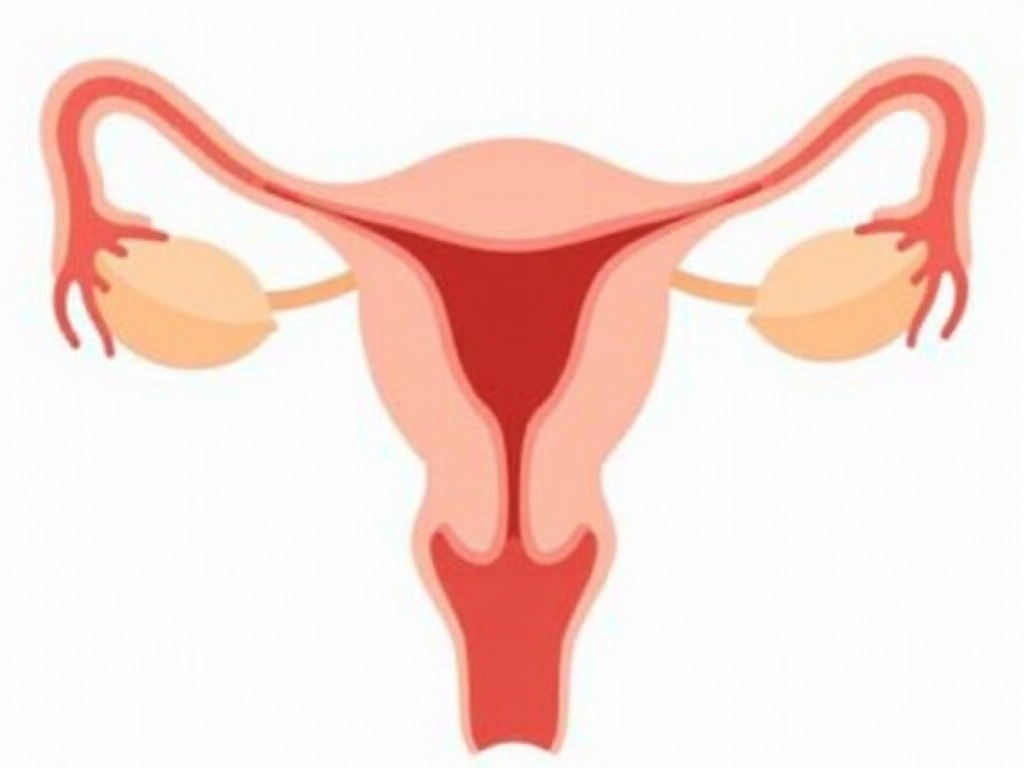
Tubal Factors
Tubal factors involve damage or blockage in the fallopian tubes, which can prevent the sperm from reaching the egg or the fertilized egg from reaching the uterus.
Pelvic Inflammatory Disease (PID)
PID is an infection of the reproductive organs, often caused by sexually transmitted infections. It can lead to scarring and blockage of the fallopian tubes.
Endometriosis
Endometriosis is a condition where tissue similar to the lining of the uterus grows outside the uterus. This can cause inflammation, scarring, and adhesions that affect the fallopian tubes.
Previous Surgeries
Surgeries involving the reproductive organs, such as tubal ligation or removal of ovarian cysts, can sometimes lead to scarring or damage to the fallopian tubes.
Uterine Factors
Uterine factors involve abnormalities in the uterus that can interfere with implantation or the ability to carry a pregnancy to term.
Fibroids
Fibroids are non-cancerous growths in the uterus that can distort the shape of the uterine cavity, making it difficult for an embryo to implant.
Polyps
Uterine polyps are growths attached to the inner wall of the uterus. They can interfere with implantation and increase the risk of miscarriage.
Congenital Malformations
Some women are born with uterine abnormalities, such as a septate uterus or bicornuate uterus, which can affect fertility.

Cervical Factors
Cervical factors involve issues with the cervix that can hinder the passage of sperm into the uterus.
Cervical Stenosis
Cervical stenosis is a narrowing of the cervix, which can make it difficult for sperm to enter the uterus.
Abnormal Mucus Production
The cervix produces mucus that helps sperm travel to the uterus. Abnormal mucus production can create a barrier for sperm.
Endometriosis
Endometriosis is a condition where endometrial tissue grows outside the uterus, often on the ovaries, fallopian tubes, or other pelvic structures. This can cause pain, inflammation, and infertility.
Age-related Factors
As women age, the quality and quantity of their eggs decline, making it more difficult to conceive. Fertility typically begins to decline in the late 20s and early 30s, with a more significant drop after age 35.
Lifestyle Factors
Certain lifestyle choices can negatively impact fertility. These include smoking, excessive alcohol consumption, obesity, and high levels of stress.
Smoking
Smoking can damage the reproductive organs and reduce egg quality. It is also associated with an increased risk of miscarriage.
Alcohol Consumption
Excessive alcohol consumption can disrupt hormone levels and affect ovulation.
Obesity
Obesity can lead to hormonal imbalances and ovulation disorders, making it harder to conceive.
Stress
High levels of stress can affect the hypothalamus, leading to irregular ovulation or amenorrhea.

Diagnosis and Treatment
Diagnosing the cause of female infertility involves a series of tests to evaluate the reproductive system. Once the cause is identified, appropriate treatment options can be explored.
Diagnostic Tests
- Blood Tests: These check hormone levels, such as follicle-stimulating hormone (FSH), luteinizing hormone (LH), and progesterone, to assess ovulation.
- Ultrasound: This imaging test examines the ovaries, uterus, and fallopian tubes for abnormalities.
- Hysterosalpingography (HSG): This X-ray test evaluates the shape of the uterus and checks for blockages in the fallopian tubes.
Treatment Options
- Medication: Drugs like clomiphene citrate or letrozole can stimulate ovulation in women with ovulation disorders.
- Surgery: Procedures like laparoscopy can correct anatomical issues, such as removing fibroids or treating endometriosis.
- Assisted Reproductive Technologies (ART): Techniques like in vitro fertilization (IVF) can help women conceive by fertilizing eggs outside the body and transferring embryos to the uterus.
Emotional and Psychological Impact
Infertility can be emotionally and psychologically challenging. It can lead to feelings of sadness, frustration, and isolation. Support from partners, family, friends, and counseling can be beneficial in coping with these emotions.
Coping Strategies
- Seek Support: Joining support groups or talking to a counselor can provide emotional relief.
- Practice Self-Care: Engaging in activities like yoga, meditation, or hobbies can help manage stress.
- Communicate: Open communication with your partner can strengthen your relationship and provide mutual support.

Conclusion
Female infertility is a multifaceted issue with various causes, including ovulation disorders, tubal factors, uterine factors, cervical factors, endometriosis, age-related factors, and lifestyle factors. Understanding these causes is crucial for diagnosis and treatment. With advancements in medical technology, such as improved diagnostic tools and assisted reproductive technologies, many women can overcome infertility and achieve their dream of parenthood. Additionally, support systems, including counseling and support groups, play a vital role in helping women cope with the emotional challenges of infertility.