The Science Behind Reproductive Health: What You Need to Know
May 11, 2026, 6:33 a.m.
Overview
Reproductive health shapes our ability to build families and affects overall well-being. The Science Behind Reproductive Health: What You Need to Know reveals how hormones, lifestyle, and medical advances influence fertility. Whether you're planning a pregnancy or simply curious, this guide offers clear insights into the biology and practical solutions for common challenges like infertility.
Many people face questions about why conception sometimes takes longer than expected. Infertility affects about 1 in 6 adults worldwide, according to global health data. Yet science offers real hope through understanding and targeted treatments.
The Basics of Human Reproduction
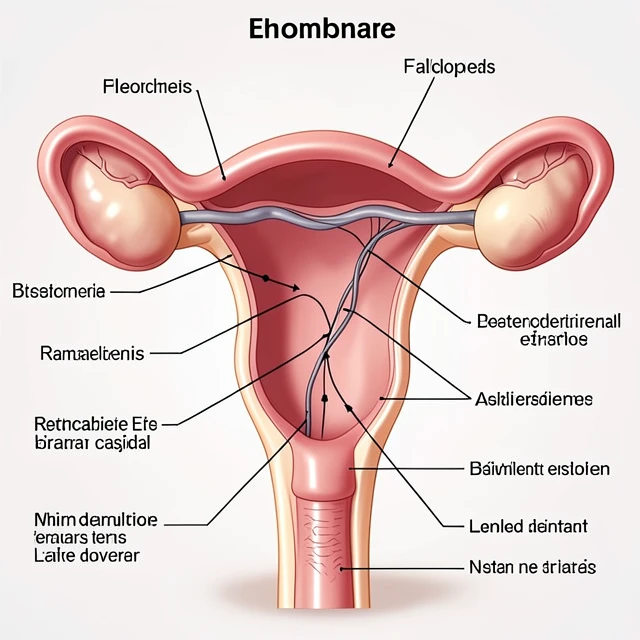
Reproduction starts with a delicate dance of hormones and organs. In women, the ovaries release an egg each cycle during ovulation. In men, healthy sperm production is key. For pregnancy to occur, the egg and sperm must meet, fertilize, and implant in the uterus.
This process depends on balanced hormones from the brain and reproductive organs. Disruptions anywhere along the path can lead to challenges.
Lifestyle plays a major role too. Age, nutrition, stress, and environmental factors all influence reproductive success. I remember talking with friends who adjusted simple habits—like better sleep and reduced alcohol—and saw improvements in their cycles and energy levels.

Understanding Infertility
Infertility is defined as not conceiving after one year of regular unprotected sex. It affects both men and women roughly equally. Common causes in women include ovulation problems, blocked fallopian tubes, and endometriosis. In men, issues often involve sperm count, shape, or movement.
According to the Centers for Disease Control and Prevention (CDC), about one-third of infertility cases relate to female factors, one-third to male factors, and the rest to combined or unexplained issues.
Polycystic ovary syndrome (PCOS) is a leading cause of irregular ovulation. Other factors include thyroid imbalances, excessive exercise, or being significantly under or overweight. Environmental exposures to certain chemicals can also impact fertility, as noted by researchers at the National Institute of Environmental Health Sciences (NIEHS).
One couple I know spent months feeling frustrated before discovering a simple thyroid issue. Treatment helped them conceive naturally within months. Early medical evaluation often uncovers treatable causes.
The Role of Hormones in Fertility
Hormones act like messengers. Follicle-stimulating hormone (FSH) helps eggs mature. Luteinizing hormone (LH) triggers ovulation. Progesterone prepares the uterus for implantation.
In men, hormones support continuous sperm production. Imbalances can stem from stress, obesity, or medical conditions. Tracking your cycle or using apps can help identify patterns.
Simple blood tests can reveal hormone levels. Lifestyle tweaks—like maintaining a healthy weight and managing stress—support natural hormone balance.
Fertility Drugs and Ovulation Induction Explained
When natural ovulation is irregular, fertility drugs and ovulation induction offer powerful help. These medications stimulate the ovaries to develop and release eggs.
Common options include clomiphene citrate (Clomid), which tricks the brain into producing more FSH, and letrozole, which lowers estrogen temporarily to boost egg development. For more complex cases, injectable gonadotropins provide direct hormone support.
Ovulation induction is often combined with intrauterine insemination (IUI) for better timing. Success rates vary but can be quite good, especially for younger patients or those with ovulation-specific issues.
Always work with a specialist. Monitoring through ultrasounds and bloodwork helps minimize risks like multiple pregnancies.
Many people worry about side effects, but most experience mild symptoms like bloating or mood changes. The benefits often outweigh the temporary discomfort for those struggling with infertility.
Lifestyle Factors That Support Reproductive Health
Science shows clear connections between daily habits and fertility:
- Nutrition: Eat plenty of fruits, vegetables, whole grains, and healthy fats. Antioxidants protect eggs and sperm.
- Exercise: Moderate activity helps, but extremes can disrupt cycles.
- Weight: Both underweight and overweight conditions affect hormones.
- Avoid toxins: Limit alcohol, quit smoking, and reduce exposure to plastics and pesticides.
- Sleep and stress: Aim for 7-9 hours nightly and practice relaxation techniques.
A table of helpful habits:
| Habit | Benefit | Action Tip |
|---|---|---|
| Balanced diet | Hormone support | Include leafy greens and nuts daily |
| Regular sleep | Cycle regulation | Consistent bedtime routine |
| Stress management | Better ovulation | Try meditation or walking |
| No smoking | Higher sperm/egg quality | Seek support to quit |
Personal stories highlight these truths. One woman in her late 30s improved her egg quality markers through diet and supplements under medical guidance. Small changes create real momentum.
When to Seek Professional Help
Don’t wait if you’re over 35 or have known risk factors. See a doctor after six months of trying. Tests for both partners provide a full picture.
Advanced options like IVF build on ovulation induction principles but go further with lab fertilization.
The Emotional Side of the Journey
Reproductive challenges test relationships and self-worth. Seek support through counseling, groups, or trusted friends. Science addresses the body, but compassion nourishes the spirit.
Summary
The Science Behind Reproductive Health: What You Need to Know combines biology, medical advances like fertility drugs and ovulation induction, and practical lifestyle steps. Understanding infertility empowers you to take action. With knowledge and support, many overcome obstacles and achieve their family goals.