Life After Cancer: Stories of Hope – Rediscovering Joy and Building a New Future
May 10, 2026, 6:33 a.m.
Cancer changes everything, but for millions of survivors, it does not define the end of their story. Life After Cancer: Stories of Hope shines a light on the journeys of those who have faced the disease head-on and emerged stronger, wiser, and full of purpose. With nearly 19 million cancer survivors in the United States alone, these experiences remind us that survival opens the door to new beginnings.
The path after treatment brings its own mix of emotions—relief, uncertainty, gratitude, and sometimes fear. Survivors often talk about learning to live fully again, rebuilding their bodies and minds while cherishing everyday moments that once seemed ordinary.
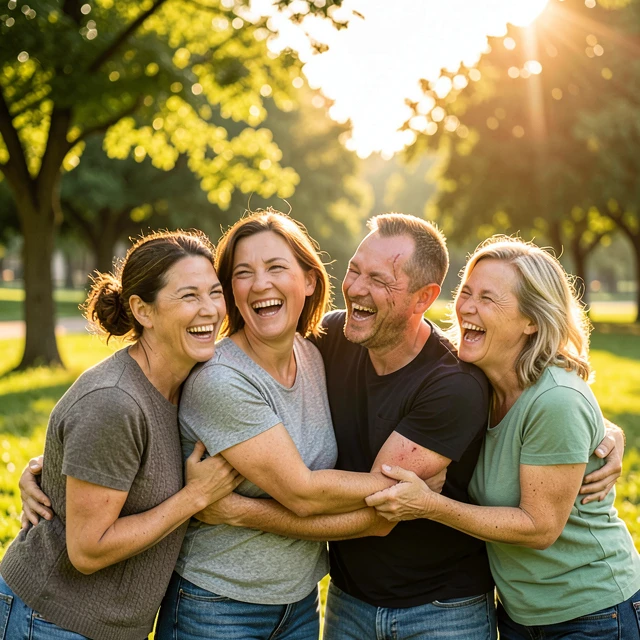
One survivor, Sarah, a breast cancer warrior diagnosed at 28, shares her story openly. 'I thought my life was over when they told me the news. But after finishing chemotherapy, I realized I had been given a second chance.' Her words echo what many feel: the fight does not stop at remission.
The Emotional Journey of Survivorship
Life after cancer often involves navigating a rollercoaster of feelings. Many survivors describe a period of 'survivor guilt' or anxiety about recurrence. Yet, through support groups, counseling, and personal reflection, they learn to embrace hope.
Physical recovery takes time too. Fatigue, changes in body image, and lingering side effects are common. Regular exercise, healthy eating, and follow-up care with doctors help rebuild strength. Simple actions like daily walks or yoga can make a big difference in energy levels and mood.
Families and friends play a huge role. Partners, children, and close ones often become pillars of support. Open conversations about fears and dreams strengthen these bonds and create deeper connections.

Facing Fertility Challenges After Treatment
For many young adults diagnosed with cancer, one major concern is the impact of chemotherapy on fertility. Certain chemotherapy drugs can damage eggs or sperm, leading to infertility or early menopause. This reality hits hard for those who dreamed of having children.
The good news is that fertility preservation before chemotherapy gives patients more options. Methods like egg freezing, embryo freezing, or sperm banking allow people to plan for the future even while fighting cancer. Discussing these with oncologists right after diagnosis is crucial.
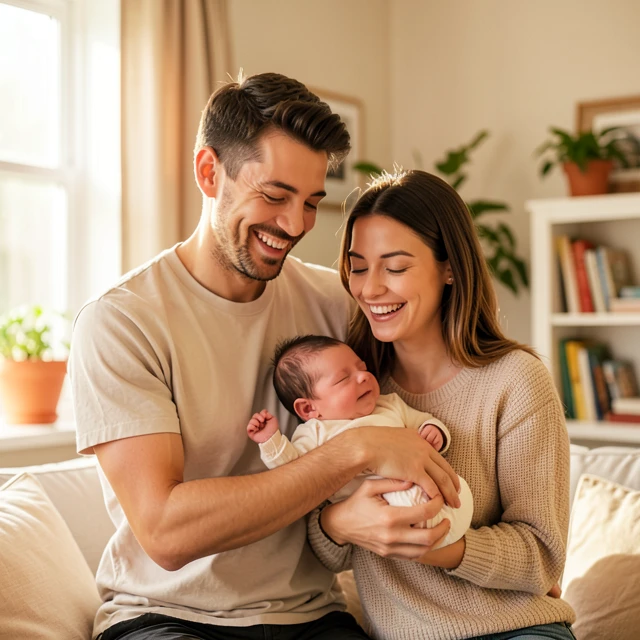
Emma, diagnosed with lymphoma in her late 20s, chose fertility preservation. 'I was scared, but knowing I had frozen eggs gave me peace of mind during tough treatments. Now, years later, I'm planning my family.' Stories like hers highlight how proactive steps reduce long-term regret.
Not everyone has the chance for fertility preservation due to urgent treatment needs. In those cases, survivors explore alternatives like adoption, surrogacy, or donor options. Support from fertility specialists helps navigate these paths with compassion and realistic expectations.
Medical advances continue to improve outcomes. Organizations and clinics now emphasize oncofertility—combining cancer care with reproductive health. Talking openly with your healthcare team about risks and choices empowers better decisions.
Practical Steps for Thriving After Cancer
Here are actionable tips many survivors recommend:
- Stay connected with your medical team: Regular check-ups catch issues early and provide reassurance.
- Prioritize mental health: Therapy, mindfulness, or joining survivor communities reduces isolation.
- Adopt healthy habits: Balanced nutrition, consistent movement, and good sleep support long-term wellness.
- Set new goals: Whether traveling, changing careers, or volunteering, pursuing passions brings fulfillment.
- Advocate for yourself: Share your story to help others and push for better support systems.
Support networks make a tremendous difference. Online forums, local groups, and nonprofits offer spaces to share experiences without judgment. Hearing others' victories over infertility or emotional hurdles inspires personal progress.
Financial recovery matters too. Many face medical debt or job gaps. Resources from cancer organizations can guide survivors toward assistance programs and workplace rights.
Inspiring Personal Insights from Survivors
Mark, a prostate cancer survivor, found new meaning through mentoring others. 'Cancer taught me not to wait for tomorrow. I now focus on what truly matters—relationships and experiences.' His shift from career-driven to purpose-driven life resonates widely.
For women dealing with infertility after treatment, many turn to advocacy. They push for insurance coverage of fertility preservation and raise awareness so future patients receive timely information.
Young survivors often mention rediscovering simple joys: watching sunrises, spending time in nature, or reconnecting with hobbies left behind. These moments reinforce that life after cancer can be richer and more intentional.
Challenges like the impact of chemotherapy on fertility remain significant, but stories of successful pregnancies after fertility preservation prove hope is justified. Science and community support continue to expand possibilities.
A Message of Resilience
Life After Cancer: Stories of Hope shows that while scars remain, they become symbols of strength. Survivors teach us to live with gratitude, face uncertainty with courage, and support one another through every step.
If you or a loved one is navigating this journey, remember you are not alone. Reach out, seek information, and hold onto the belief that brighter days lie ahead. Every survivor's story adds to a powerful collective narrative of resilience and renewal.