Preparing for Egg Retrieval: Tips and Advice
May 8, 2026, 6:36 a.m.
Overview
Preparing for egg retrieval is a key step in your fertility journey. This quick outpatient procedure collects mature eggs for IVF. With the right preparation, you can feel more confident and support the best possible outcomes. This guide shares practical tips drawn from real experiences and expert advice.
Understanding the IVF Process: A Step-by-Step Guide
The IVF process involves several stages, and egg retrieval sits right in the middle. It begins with ovarian stimulation using fertility drugs. Doctors monitor your progress with ultrasounds and blood tests. When follicles are ready, you take a trigger shot. About 36 hours later, the retrieval happens under light sedation.
During the procedure, a thin needle guided by ultrasound gently collects fluid from the follicles. Embryologists then find and prepare the eggs. The whole process usually takes 15-30 minutes. You go home the same day but need someone to drive you.
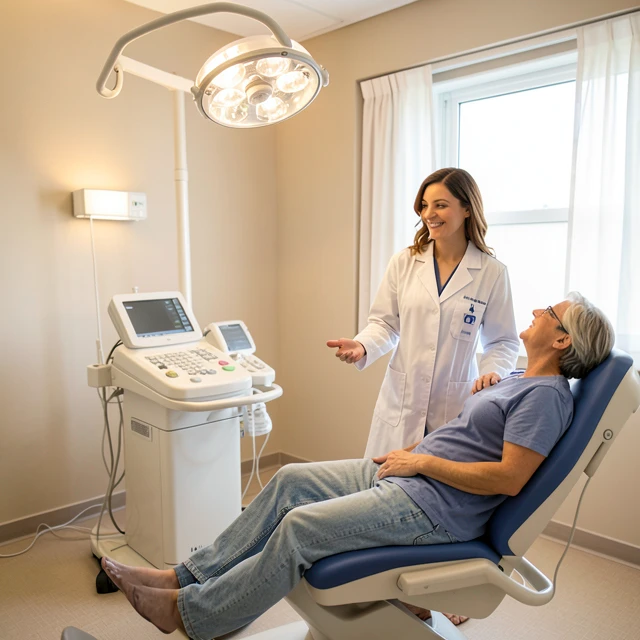
Many women describe feeling a mix of nerves and hope on retrieval day. One patient shared, "I felt empowered knowing I had prepared well. The team made everything feel safe."
The Role of Fertility Drugs and Gonadotropins
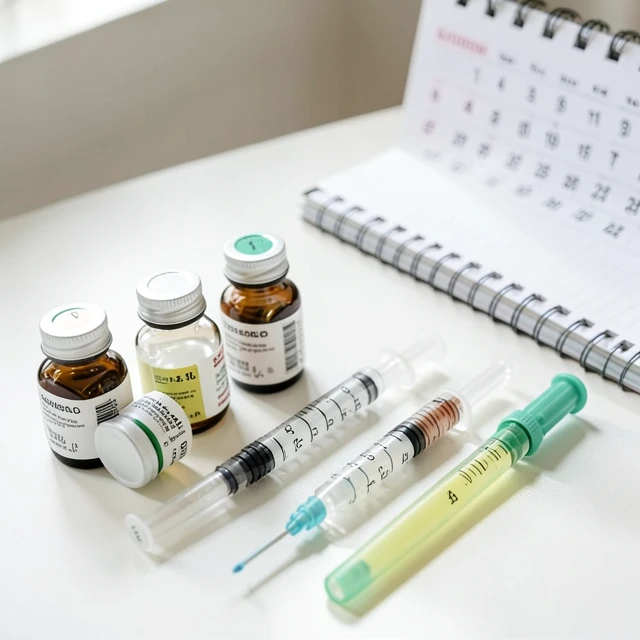
Fertility drugs play a central part in preparing your body. Gonadotropins are injectable hormones that stimulate your ovaries to produce multiple eggs instead of the usual one per cycle.
Types of Gonadotropins in Fertility Treatments
Common types include: - Follicle-Stimulating Hormone (FSH): Brands like Gonal-F or Follistim help follicles grow. - Luteinizing Hormone (LH): Often combined in medications like Menopur. - Human Chorionic Gonadotropin (hCG): Used as the trigger shot to mature the eggs.
Your doctor tailors the protocol to your needs. Follow instructions exactly—timing matters. Many women use pens for easy self-injection at home. Mild bloating or mood changes can occur, but these are usually manageable.
Tip: Keep a daily log of your injections and symptoms. This helps during monitoring appointments and gives you a sense of control.
Lifestyle Changes: 4-12 Weeks Before Retrieval
Preparation starts well before the procedure. Focus on these areas for better egg quality and comfort:
- Nutrition: Follow a Mediterranean-style diet rich in fruits, vegetables, whole grains, lean proteins, and healthy fats. Berries, leafy greens, nuts, and fatty fish provide antioxidants.
- Supplements: Prenatal vitamins, CoQ10, and omega-3s are commonly recommended. Always check with your doctor first.
- Exercise: Stick to moderate activity like walking, swimming, or yoga. Avoid intense workouts during stimulation.
- Avoid Harmful Substances: Stop alcohol, smoking, and limit caffeine. Choose fragrance-free products to reduce chemical exposure.
One woman who went through multiple cycles noted, "Switching to whole foods and cutting processed items made a noticeable difference in how I felt during stimulation."
Daily Preparation Checklist
- Take medications on schedule
- Drink plenty of water (before fasting begins)
- Get 7-9 hours of sleep
- Practice stress relief like meditation or deep breathing
- Prepare loose, comfortable clothes for procedure day

What to Expect the Day Before and Day Of
The night before, you will likely need to stop eating and drinking after midnight. Confirm exact times with your clinic. Pack a bag with: - Comfortable clothing - ID and insurance info - A supportive friend or partner - Any required paperwork
On the day, arrive early. You'll change into a gown, meet the team, and receive IV sedation. Most women remember little of the procedure itself and feel relief afterward.
Mild cramping, bloating, or spotting is common afterward. Rest, use a heating pad, and stay hydrated. Avoid heavy lifting or exercise for a few days.
Managing Emotions and Setting Realistic Expectations
The process can feel emotional. Connect with support groups or a counselor if needed. Remember, the number of eggs retrieved varies. Quality often matters more than quantity. Focus on what you can control—your preparation and self-care.
After Retrieval: Recovery and Next Steps
Most women return to normal activities within 1-2 days. Listen to your body. Your clinic will guide you on progesterone support and the embryo transfer timeline.
Summary
Preparing for egg retrieval combines medical steps with personal wellness choices. By understanding the IVF process, following your medication protocol, eating well, and planning ahead, you set yourself up for success. Every journey is unique—trust your care team and be kind to yourself along the way.