State-by-State Insurance Coverage for Infertility and Preservation - RESOLVE: Your Complete Guide
May 7, 2026, 6:35 a.m.
Navigating the world of family building can feel overwhelming, especially when costs add extra stress. State-by-State Insurance Coverage for Infertility and Preservation - RESOLVE offers hope by highlighting where insurance helps cover treatments. Organizations like RESOLVE: The National Infertility Association work hard to expand access so more people can pursue their dreams of parenthood.

In this comprehensive guide, we break down current laws, share real stories, and provide actionable steps. Whether you face infertility challenges or need fertility preservation for cancer patients, understanding your options empowers better decisions.
Why Insurance Coverage Matters for Infertility and Fertility Preservation
Infertility affects about 1 in 8 couples in the United States. Treatments like IVF can cost tens of thousands of dollars without help. Fertility preservation for cancer patients becomes critical when chemotherapy or radiation risks future fertility. State laws make a real difference by requiring some insurance plans to cover these services.
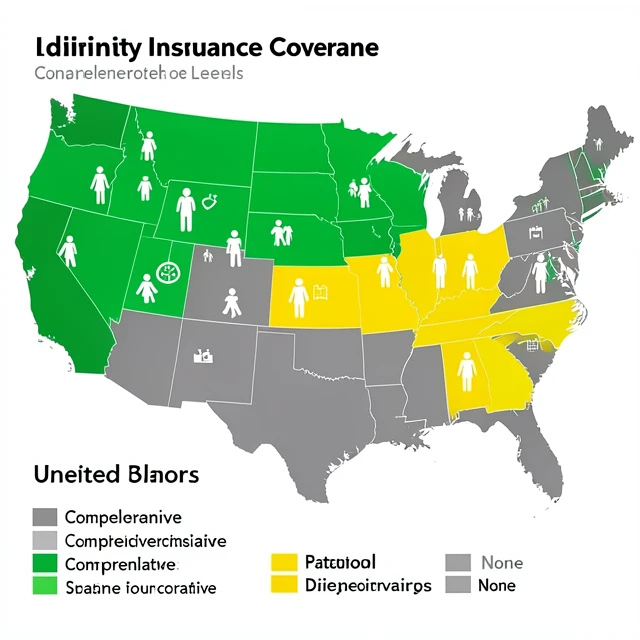
RESOLVE leads Resources and Advocacy for Fertility Preservation Rights. They track progress and push for better laws. As of late 2025, 25 states plus Washington D.C. have infertility insurance laws. Fifteen states mandate IVF coverage, while 21 states plus D.C. require fertility preservation for medically-induced infertility.

State Laws and Fertility Preservation: What You Need to Know
Coverage varies widely. Some states require broad infertility treatment including diagnosis, medications, IUI, and IVF. Others focus mainly on fertility preservation insurance coverage for cancer patients facing treatments that may cause iatrogenic infertility.
Key states with strong mandates include California, Illinois, New York, New Jersey, and Connecticut. For example, California's laws cover standard fertility preservation services when medical treatment may cause infertility. Many states updated rules recently to include more protections.
Always check if your plan is fully insured (must follow state law) or self-insured (often exempt). Employer size and policy type also matter.
Quick State Coverage Overview Table
| Category | Number of States + D.C. | Examples |
|---|---|---|
| Infertility Laws | 25 + D.C. | CA, IL, NY, NJ |
| IVF Mandates | 15 | MA, AR, CO |
| Fertility Preservation Mandates | 21 + D.C. | CA, IL, NY, CT |
This landscape continues to evolve thanks to advocacy efforts.
Fertility Preservation Insurance Coverage for Cancer Patients
Cancer diagnoses in reproductive years bring tough choices. Fertility preservation for cancer patients can include egg, sperm, or embryo freezing before treatment starts. Without coverage, many skip these steps due to high costs.
Laws in over 20 states now require coverage for standard fertility preservation when treatments may directly or indirectly cause infertility. This protects young survivors' future family-building options. Studies show financial barriers previously limited access, with fewer than 10% of at-risk patients pursuing preservation before mandates.
Sarah, a breast cancer survivor from Illinois, shared her experience: "The state mandate covered my egg freezing before chemo. It gave me peace of mind during treatment. Without it, I don't know if I could have afforded it." Stories like Sarah's highlight why Resources and Advocacy for Fertility Preservation Rights remain vital.
How to Check and Maximize Your Coverage
- Visit your state's insurance department website or RESOLVE's detailed state pages.
- Ask your HR team: Is my plan fully insured? Does it fall under the mandate?
- Contact your insurer directly with specific procedure codes.
- Appeal denials—many succeed with proper documentation.
- Explore employer benefits or grants if gaps exist.
RESOLVE provides excellent tools, including questions to ask employers and advocacy support for better workplace coverage.
Personal Insights and Real-World Tips
From talking with families, one theme stands out: knowledge reduces stress. Start conversations early with oncologists about fertility risks. Seek support groups through RESOLVE for emotional and practical help.
Mike from Colorado noted, "The Building Families Act changed everything for us. We could focus on treatment instead of worrying about future kids." These experiences show how State Laws and Fertility Preservation: What You Need to Know translate into real hope.
Remember, even in states without mandates, some plans offer voluntary coverage. Negotiate with providers for payment plans or explore clinical trials.
Challenges and Ongoing Advocacy
Gaps remain. Self-insured plans (common with large employers) often skip state rules. Medicaid coverage stays limited in most places. Continued advocacy by groups like RESOLVE pushes for broader access, including potential federal protections.
For the latest details, explore RESOLVE's Insurance Coverage by State resources, which offer state-specific summaries and updates. The Kaiser Family Foundation tracks infertility mandates with clear data visualizations.
Additional authoritative insights come from organizations focused on cancer survivorship and reproductive health.
Summary: Taking the Next Step
State-by-State Insurance Coverage for Infertility and Preservation - RESOLVE shows progress but also highlights work ahead. Research your state, connect with advocates, and consult specialists. Knowledge and support make family building more accessible, even on tough paths like cancer recovery.
Every story of successful preservation or treatment reminds us why these laws matter. Stay informed, advocate when possible, and reach out for help. Your fertility journey deserves every available resource.