Understanding IVF: A Comprehensive Guide
May 8, 2026, 6:37 a.m.
IVF, or in vitro fertilization, offers hope to millions of people struggling to build their families. This detailed guide explains the full picture in simple terms so you can feel confident and prepared.
What Is IVF and Who Can Benefit?
In vitro fertilization is a Fertility Treatment where eggs and sperm meet outside the body in a lab. Doctors then place the resulting embryo into the uterus. Many turn to IVF after other options do not work.
Couples and individuals facing various challenges choose this path. These include blocked fallopian tubes, ovulation problems, endometriosis, and male factor issues. Single people and same-sex couples also use IVF with donor help.

Success varies by age, health, and other factors. According to the CDC ART Success Rates, many clinics report live birth rates around 37% per cycle nationally, with higher chances for younger women.
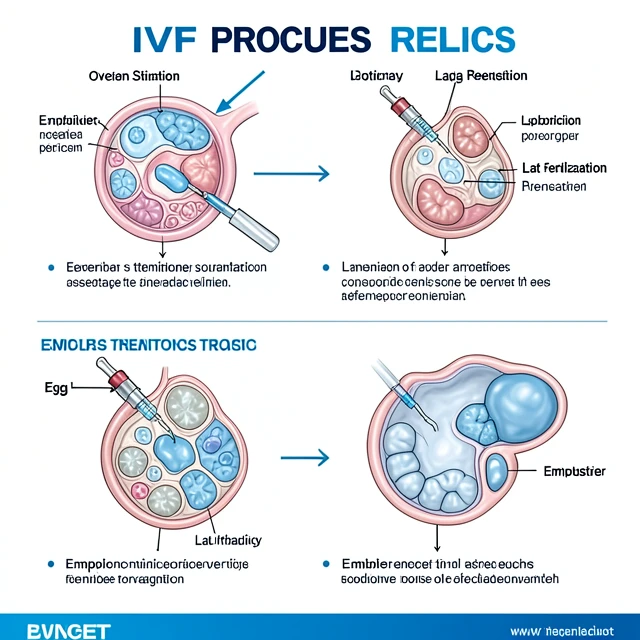
The IVF Process Step by Step
Understanding each stage helps reduce anxiety. Here is what typically happens:
-
Initial Consultation and Testing – Doctors review medical history and run blood tests plus ultrasounds.
-
Ovarian Stimulation – You take medications to grow multiple eggs.
-
Monitoring – Frequent ultrasounds and blood work track progress.
-
Egg Retrieval – A quick procedure collects mature eggs.
-
Fertilization – Sperm meets eggs in the lab, often with ICSI for male factor cases.
-
Embryo Culture – Embryos grow for 3-5 days.
-
Embryo Transfer – One or more embryos go into the uterus.
-
Pregnancy Test – A blood test confirms results about two weeks later.
The full cycle usually takes 4-6 weeks. Many people need more than one cycle for success, but each attempt builds knowledge.
How Hormonal Treatments Can Boost Fertility
Hormones play a starring role in IVF. Medications mimic and enhance your natural cycle to produce multiple quality eggs.
Doctors often prescribe follicle-stimulating hormone (FSH) and luteinizing hormone (LH) to encourage egg development. They may add medications to prevent early ovulation. After retrieval, progesterone supports the uterine lining for implantation.
These treatments require careful monitoring to balance success with safety. Side effects can include bloating or mood changes, but most people handle them well with support.
Personal insight: Many patients say the wait during stimulation feels long, but tracking progress with their doctor makes it manageable. Staying active and eating well helps your body respond better.
Fertility Treatment for Male Infertility
Male factors contribute to about half of infertility cases. Fertility Treatment options have improved dramatically.
When sperm count, movement, or shape is low, doctors recommend IVF with intracytoplasmic sperm injection (ICSI). A single healthy sperm is injected directly into each egg. This technique dramatically raises success odds even with severe male infertility.
Lifestyle changes like quitting smoking, limiting alcohol, maintaining healthy weight, and reducing stress can improve sperm quality before starting IVF.

According to Cleveland Clinic resources on male infertility, combining lifestyle improvements with advanced lab techniques like ICSI gives many men the chance to become biological fathers.
Success Rates and What Affects Them
Age matters most. Women under 35 often see higher success. Other factors include egg and sperm quality, uterine health, and lifestyle.
Here is a quick overview:
| Age Group | Approximate Live Birth Rate per Cycle |
|---|---|
| Under 35 | 40-50% |
| 35-37 | 30-40% |
| 38-40 | 20-30% |
| Over 40 | 10-15% or lower |
These are averages. Your doctor will give personalized estimates. Mayo Clinic IVF Overview offers excellent details on what to expect.
Preparing for Your IVF Journey
Preparation makes the experience smoother:
- Maintain a balanced diet rich in antioxidants.
- Exercise moderately.
- Manage stress through meditation or counseling.
- Follow all medication instructions precisely.
- Build a strong support network.
Many clinics offer counseling services. Talking with others who completed IVF provides real-world tips and emotional comfort.
Costs, Risks, and Emotional Aspects
IVF involves financial investment. Many people explore insurance coverage, grants, or payment plans. Risks include ovarian hyperstimulation (rare with monitoring) and multiple pregnancies (minimized by single embryo transfer).
Emotionally, the journey has ups and downs. Celebrate small wins like good egg numbers or strong embryos. Seek professional support if feelings of anxiety or sadness arise.
Summary: Your Path Forward with IVF
Understanding IVF empowers you to make the best choices. While the process demands time and effort, many people achieve their dream of parenthood. Work closely with a trusted fertility specialist who listens to your concerns and tailors the plan to your needs.
Every story is unique. Stay informed, stay hopeful, and take one step at a time.