Mindful Parenting: Paths Beyond Biology – Building Loving Families Through Intention and Care
May 10, 2026, 6:31 a.m.
Overview
Mindful Parenting: Paths Beyond Biology invites us to rethink family beyond DNA. For many, the journey includes navigating infertility, exploring fertility preservation options like embryo cryopreservation, and embracing alternative paths to parenthood. This approach emphasizes presence, emotional awareness, and deep connection with children, no matter how they join your family.

Many dream of biological children only to face the challenging reality of infertility. The Emotional Impact of Infertility: A Support Guide becomes essential reading during these times. Couples often experience grief, anxiety, and isolation as months turn into years without success. Yet, this pain can open doors to profound personal growth and new definitions of family.
I remember speaking with Sarah, a woman in her thirties who faced unexplained infertility. 'It felt like my body betrayed me,' she shared. The constant cycle of hope and disappointment tested her marriage and self-worth. Through counseling and support groups, she learned to sit with her emotions rather than fight them. This mindfulness laid the foundation for her later parenting journey.
Understanding the Emotional Journey of Infertility
Infertility affects millions worldwide. The stress rivals major life events like divorce or losing a loved one. Feelings of loss, guilt, and inadequacy surface regularly. Partners may cope differently—one seeking solutions while the other processes grief—creating tension if not addressed openly.
Practical steps help: - Seek professional support: Therapists specializing in reproductive health offer tools for coping. - Practice daily mindfulness: Even five minutes of breathing exercises reduces anxiety. - Connect with others: Support communities remind you that you are not alone. - Communicate openly: Share vulnerabilities with your partner to strengthen your bond.
These experiences build resilience. Many who walk this path develop greater empathy, which serves them well as parents.

Fertility Preservation: Hope Through Science
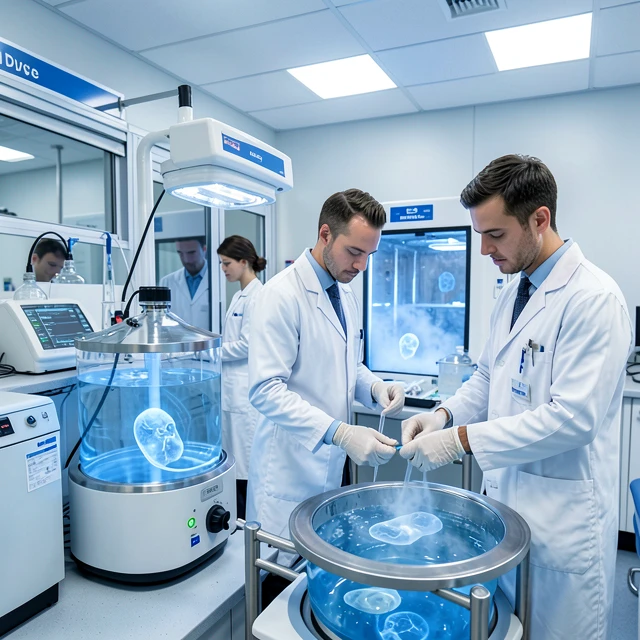
For those facing medical challenges like cancer, fertility preservation offers a lifeline. Embryo cryopreservation stands out as a proven method. This process involves stimulating the ovaries, retrieving eggs, fertilizing them with sperm, and freezing the resulting embryos for future use.
Embryo cryopreservation for cancer patients requires careful timing before treatments that might damage reproductive cells. Success rates continue to improve, with many thawed embryos leading to healthy pregnancies. Oocyte cryopreservation (egg freezing) provides another option for single individuals or those not ready to create embryos.
Dr. Elena Rodriguez, a fertility specialist, notes that 'fertility preservation empowers patients to focus on survival while keeping family-building dreams alive.' Advances in vitrification technology have dramatically increased survival rates of frozen embryos and eggs.
Key considerations for fertility preservation include: - Timing relative to medical treatment - Cost and insurance coverage - Emotional readiness for future decisions about stored materials - Legal aspects of disposition if circumstances change
Embracing Paths Beyond Biology
Not every family begins with pregnancy. Adoption, fostering, step-parenting, and surrogacy create equally meaningful bonds. Mindful Parenting: Paths Beyond Biology celebrates these routes by focusing on intentional presence rather than genetic links.
Adoptive parents often report deeper appreciation for the parenting role because they actively chose it. The attachment process may differ but proves just as strong. Research shows that caregiving itself shapes the brain similarly in biological and non-biological parents, strengthening responses to children's needs.
Mindful practices enhance these connections: - Present listening: Give children full attention during conversations. - Emotional validation: Acknowledge feelings without rushing to fix them. - Shared rituals: Create family traditions that build identity and security. - Self-compassion: Forgive yourself for imperfect moments—modeling growth for kids.
Mark, who adopted two children after years of unsuccessful fertility treatments, reflected: 'Biology never defined our love. Mindfulness helped me stay grounded when my daughter tested boundaries as she processed her adoption story. We grew together through honest talks.'
Daily Mindful Parenting Techniques
Mindful parenting transcends biology. It means responding thoughtfully instead of reacting automatically. Simple strategies include:
- Pause before responding: Take a breath during challenging moments.
- Observe without judgment: Notice your child's behavior as information, not a personal failing.
- Model mindfulness: Practice together through short breathing exercises or nature walks.
- Cultivate gratitude: Regularly share appreciations as a family.
For families formed through fertility preservation or adoption, these practices help navigate unique dynamics. Children may have questions about origins. Honest, age-appropriate answers build trust. Mindfulness equips parents to handle these conversations with calm and empathy.
Challenges like developmental trauma in some adopted children require extra patience. Trauma-informed approaches emphasize safety, regulation, and connection—core elements of mindful parenting.
Creating Your Unique Family Story
Every family's path is personal. Some combine assisted reproduction with adoption. Others build chosen families through community. The common thread is commitment to raising children with awareness and love.
Financial planning, legal preparation, and emotional support networks matter greatly. Connect with organizations offering resources for diverse family structures. Remember that societal definitions of 'real' family evolve—your consistent love defines yours.
Summary
Mindful Parenting: Paths Beyond Biology reminds us that family forms through intention, not just biology. Whether through embryo cryopreservation, adoption, or other means, the focus remains on presence and connection. By addressing the emotional impact of infertility and embracing available support, parents create nurturing environments where children thrive.