Advanced Fertility Treatments: What to Expect
May 12, 2026, 6:31 a.m.
Starting a family can be an emotional rollercoaster. For many couples and individuals facing challenges, advanced fertility treatments offer real hope. This guide walks you through what to expect with options like fertility drugs and more complex procedures. You'll gain clear insights to help you feel prepared and confident.
Advanced fertility treatments go beyond basic advice or timed intercourse. They include medications to stimulate ovulation and high-tech procedures like in vitro fertilization (IVF). Many people turn to these after trying naturally for six to twelve months without success, depending on age and health factors.

If you've been trying to conceive without luck, you might wonder when to consider alternative fertility treatments. Experts often recommend evaluation after six months if you're over 35, or after a year if younger. Factors like irregular periods, known conditions such as endometriosis, or male factor issues speed up the timeline.
Fertility specialists start with thorough testing for both partners. Blood work, ultrasounds, and semen analysis help pinpoint causes. This step takes the guesswork out and points toward the right treatment path.
Understanding Fertility Drugs as a Starting Point
Many journeys begin with medications. Clomiphene, often known by the brand name Clomid, is a common first-line fertility drug. It helps women who don't ovulate regularly or at all.
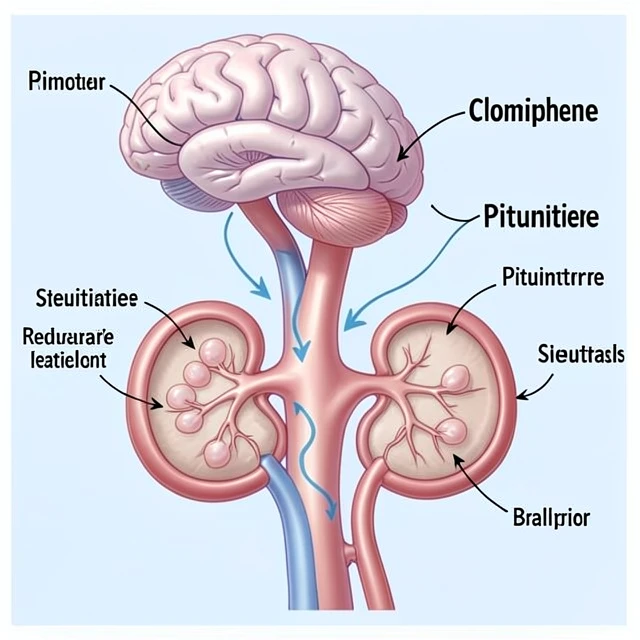
How Clomiphene works in the body is straightforward yet powerful. It blocks estrogen receptors in the brain, tricking the body into thinking estrogen levels are low. This prompts the pituitary gland to release more follicle-stimulating hormone (FSH) and luteinizing hormone (LH). The result? Ovaries produce and release one or more eggs. You typically take it as a pill for five days early in your cycle.
Success with Clomiphene varies. About 80% of women ovulate while taking it, with pregnancy rates around 30-40% over several cycles for suitable candidates. Side effects can include hot flashes, mood swings, or bloating, but many tolerate it well. Monitoring with ultrasounds helps track follicle growth and reduce risks like multiples.
If oral medications aren't enough, doctors may suggest injectable gonadotropins. These stronger drugs directly stimulate the ovaries for more eggs, often used in IVF cycles.
What to Expect During IVF and Other Advanced Options
In vitro fertilization stands as one of the most effective advanced fertility treatments. The process spans several weeks and involves multiple stages.
- Ovarian Stimulation: You take injections for 8-14 days to grow multiple eggs.
- Monitoring: Frequent ultrasounds and blood tests track progress.
- Egg Retrieval: A quick procedure under sedation removes mature eggs.
- Fertilization: Eggs meet sperm in the lab, sometimes with ICSI for male factor issues.
- Embryo Culture: Embryos grow for 3-5 days.
- Embryo Transfer: One or more healthy embryos go back into the uterus.
- Waiting Period: The two-week wait before a pregnancy test.
According to data from the Centers for Disease Control and Prevention (CDC), success rates depend heavily on age. Women under 35 often see live birth rates around 50% per cycle with their own eggs, while rates decrease with advancing age.

Preimplantation genetic testing (PGT) adds another layer. It screens embryos for chromosomal issues before transfer, potentially boosting success and reducing miscarriage risk.
Emotional and Practical Side of Treatment
Advanced fertility treatments demand time, money, and emotional energy. Daily injections, frequent appointments, and hormonal shifts can feel overwhelming. Many people describe a mix of hope, anxiety, and determination.
Support makes a big difference. Consider counseling, partner communication, or joining support groups. Lifestyle tweaks like balanced nutrition, moderate exercise, and stress reduction improve outcomes too.
Costs vary widely. Insurance coverage differs by location and plan. Some clinics offer financing or shared-risk programs. Always discuss finances upfront.
When to Consider Alternative Fertility Treatments
Not everyone needs or wants high-tech options right away. Alternatives include intrauterine insemination (IUI) combined with medications, lifestyle optimization, or addressing underlying issues like thyroid problems.
For some, donor eggs, donor sperm, or gestational carriers open new paths. Surrogacy or adoption also deserve thoughtful consideration when biological conception proves challenging.
Research from reputable sources like the University of Rochester Medical Center provides detailed step-by-step explanations of IVF that can help set realistic expectations.
Success isn't guaranteed in any single cycle, but many achieve pregnancy within 2-3 attempts. Persistence paired with personalized care often leads to positive results.
Making Informed Choices
Work closely with a reproductive endocrinologist. Ask questions about success rates specific to your situation, risks, and alternatives. Second opinions can bring peace of mind.
Track your cycle, maintain a healthy weight, avoid smoking and excessive alcohol, and consider prenatal vitamins early. Small steps build a stronger foundation.