Managing Side Effects of Medications: Tips and Strategies
May 15, 2026, 6:33 a.m.
Managing Side Effects of Medications: Tips and Strategies
Dealing with unwanted effects from medicines can feel overwhelming, but you have more control than you might think. This guide shares real-world advice on handling side effects, with special focus on fertility treatments. Whether you're navigating daily prescriptions or specialized fertility drugs, these tips can help you feel better and stay on track.

Fertility journeys often involve powerful medications that bring hope but also challenges. Common side effects of fertility drugs can include bloating, mood changes, and fatigue. Understanding these helps you prepare and respond effectively. Many people successfully manage them and go on to achieve their goals.
Understanding Fertility Drugs and How They Work
Fertility drugs, particularly Gonadotropins, play a key role in helping many couples conceive. These injectable hormones stimulate the ovaries to produce multiple eggs.
Gonadotropins affect ovulation by mimicking natural follicle-stimulating hormone (FSH) and luteinizing hormone (LH). They encourage follicles in the ovaries to grow and mature, increasing the chances of successful ovulation and pregnancy. Doctors carefully monitor this process with ultrasounds and blood tests to balance benefits and risks.
While highly effective, these medications require attention to side effects. The good news? Most are manageable with the right approach. From my conversations with people going through treatment, staying informed and proactive makes a big difference.

Common Side Effects of Fertility Drugs
Gonadotropins and other fertility medications often cause:
- Bloating and abdominal discomfort: Ovaries enlarge as follicles develop.
- Mood swings and emotional changes: Rapid hormone shifts affect how you feel.
- Breast tenderness: Similar to premenstrual symptoms but stronger.
- Fatigue and headaches: Your body works hard to respond to the hormones.
- Injection site reactions: Redness, swelling, or bruising where you inject.
In rarer cases, ovarian hyperstimulation syndrome (OHSS) can develop. Symptoms include severe bloating, rapid weight gain, and nausea. Close medical monitoring helps prevent this.
One person shared how she tracked her symptoms daily. This simple habit helped her doctor adjust her dose and reduced her discomfort significantly. Small steps like this empower you during treatment.
Practical Tips for Managing Side Effects of Medications
1. Stay Hydrated and Eat Smart
Drink plenty of water throughout the day. It helps reduce bloating and supports your body as it processes medications. Choose balanced meals with lean proteins, fruits, vegetables, and whole grains. Ginger tea or small frequent meals can ease nausea. Limit salty foods to minimize fluid retention.
2. Handle Injection Discomfort
Rotate injection sites as your nurse recommends. Some people apply ice briefly before injecting and warmth afterward to reduce pain and bruising. Let the medication reach room temperature before use for more comfortable injections.
3. Support Your Mood and Energy
Light activities like walking or gentle yoga boost mood and reduce stress. Aim for consistent sleep. Many find mindfulness or talking with supportive friends helpful during hormonal ups and downs. Consider chatting with a counselor experienced in fertility journeys if emotions feel heavy.
4. Work Closely with Your Healthcare Team
Never hesitate to call your doctor about concerning symptoms. They might adjust doses, suggest supportive medications, or pause treatment if needed. Regular monitoring catches issues early. Always check with your provider before adding supplements or over-the-counter remedies.
Building a Daily Routine That Supports You
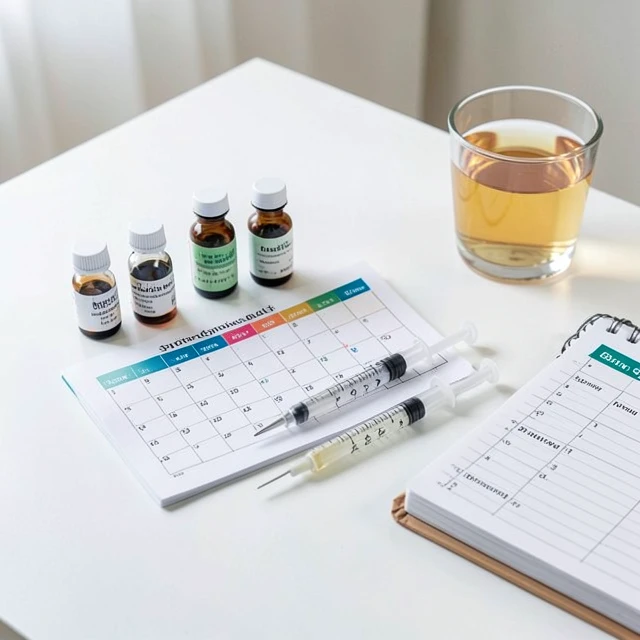
Create a simple medication schedule and use reminders. Keep a symptom journal noting what you eat, how you feel, and your activity level. This information proves invaluable during appointments.
Many people benefit from joining support groups where they exchange practical Managing Side Effects of Medications: Tips and Strategies. Hearing others' experiences reduces isolation and sparks new ideas.
When to Seek Immediate Help
Contact your doctor right away if you experience: - Severe abdominal pain or rapid weight gain (more than 5 pounds in a few days) - Difficulty breathing or chest pain - Severe headaches or vision changes - Decreased urination
These could signal complications like OHSS that need prompt attention.
Long-Term Perspective and Self-Care
Remember that side effects are usually temporary. Most resolve after treatment cycles end. Focus on what you can control: your mindset, daily habits, and communication with your care team. Celebrate small wins along the way, like completing a challenging injection or attending every monitoring appointment.
Fertility treatment is a marathon, not a sprint. Taking care of your physical and mental health while managing side effects helps you stay strong throughout the process.
In summary, Managing Side Effects of Medications: Tips and Strategies involves knowledge, preparation, and support. By understanding how gonadotropins affect ovulation and applying these practical tools, you can navigate common side effects of fertility drugs more confidently. Always partner with your healthcare providers for personalized guidance.