The Science of Embryo Development: From Fertilization to IVF Success
May 14, 2026, 6:29 a.m.
Overview
The science of embryo development reveals one of nature's most remarkable journeys. A single fertilized cell divides and transforms into a complex human being. This process is central to understanding fertility, especially in IVF and embryo transfer procedures that help millions facing infertility. In this article, we dive deep into how embryos grow and what modern medicine does to support them.
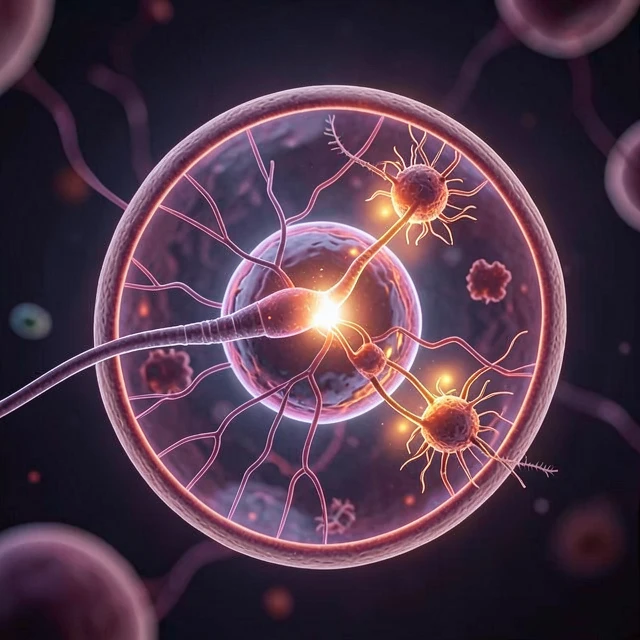
Many couples dream of starting a family, yet infertility affects a significant number of people worldwide. Advances in reproductive science have turned hope into reality for countless families through IVF. Understanding the science of embryo development empowers patients to make informed decisions about their fertility journey.
From the moment of fertilization, a precisely choreographed sequence of events begins. Scientists and doctors work tirelessly to mimic and support these natural processes in the lab.
The Miracle of Fertilization and Early Cleavage
Fertilization marks the start of the incredible science of embryo development. When a sperm successfully penetrates the egg, their genetic material combines to form a zygote. This single cell contains all the instructions needed to build a new human life.
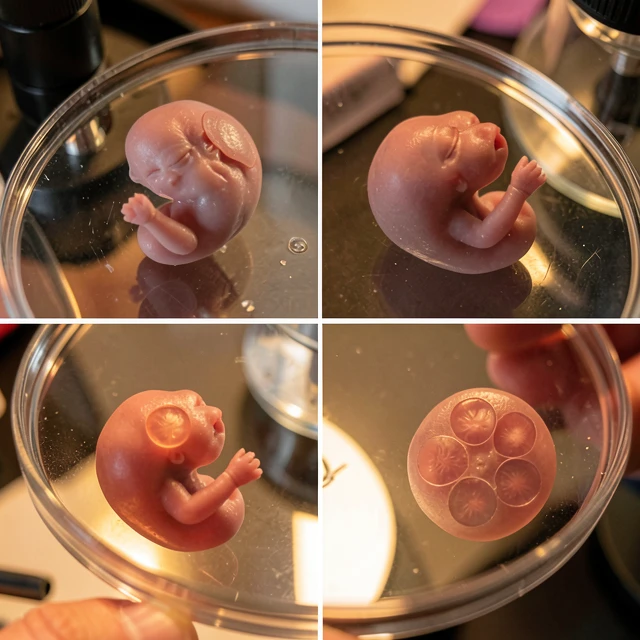
In the first few days, the zygote undergoes rapid cell divisions called cleavage. These divisions happen without overall growth in size—the cells simply get smaller. By day three, the embryo typically reaches the 8-cell stage. This early phase is delicate, and researchers continue to study why some embryos thrive while others do not.
One fascinating insight from recent studies is that many early embryos stop developing due to errors in DNA replication right after fertilization. Researchers at Columbia University have highlighted how these spontaneous mistakes in the first cell divisions often lead to chromosomal issues. This knowledge helps fertility specialists improve lab conditions.
Learn more about why many IVF embryos fail to develop from Columbia University researchers
From Morula to Blastocyst: Key Developmental Milestones
Around day four, the embryo becomes a solid ball of cells known as a morula. By day five, it transforms into a blastocyst—a hollow structure with two distinct cell types. The inner cell mass will become the baby, while the outer layer forms the placenta.
This blastocyst stage is crucial. Embryos that reach this point have a much better chance of implanting successfully in the uterus. In IVF, specialists often culture embryos to this stage before considering transfer.
The science of embryo development shows us that timing matters immensely. Blastocysts have higher implantation potential compared to earlier stage embryos. This is why many clinics prefer blastocyst transfers.
Johns Hopkins researchers have provided new insights through detailed genetic analysis of nearly 1,000 embryos, revealing that nearly half experience developmental arrest due to genetic mishaps in early divisions. Their work suggests improvements in IVF protocols could help more embryos succeed.
Read the Johns Hopkins IVF embryo development study
Embryo Transfer in IVF: Techniques for Higher Success
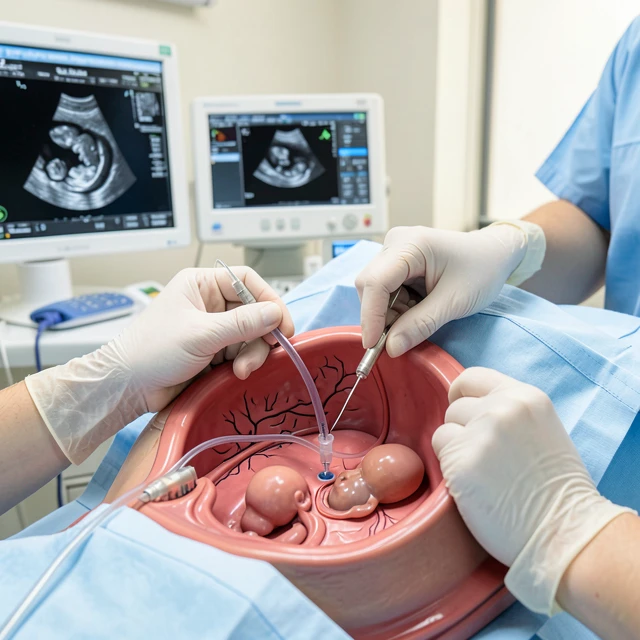
Embryo Transfer is a pivotal step in IVF. After careful lab cultivation, doctors place one or more embryos into the mother's uterus. Modern embryo transfer techniques for higher success focus on precision and patient comfort.
Ultrasound-guided transfers using soft catheters have become the gold standard. These methods improve placement accuracy and reduce trauma to the delicate lining of the uterus. Studies from leading organizations confirm that proper technique significantly boosts pregnancy rates.
Here are some proven strategies that support better outcomes:
- Single Embryo Transfer (SET): Reduces risks of multiple pregnancies while maintaining good success rates with high-quality embryos.
- Frozen Embryo Transfer (FET): Often yields higher success because the uterus can be prepared in a more natural hormonal environment.
- Preimplantation Genetic Testing (PGT): Screens embryos for chromosomal normality before transfer.
- Lifestyle Optimization: Patients who maintain healthy weight, avoid smoking, and manage stress often see improved results.
Infertility can feel isolating, but remember—you are not alone. Many who have walked this path share that knowledge reduced their anxiety. One patient perspective: learning about embryo stages helped set realistic expectations and fostered deeper appreciation for the process.
Factors That Influence Embryo Quality and Implantation
Several elements affect the science of embryo development in both natural and IVF settings:
| Factor | Impact on Development | Actionable Tip |
|---|---|---|
| Maternal Age | Egg quality declines after 35 | Consider earlier fertility assessment |
| Embryo Genetics | Chromosomal errors common | Discuss PGT with your doctor |
| Lab Culture Conditions | Mimics natural environment | Choose clinics with advanced incubators |
| Uterine Receptivity | Determines implantation success | Endometrial preparation is key |
According to data from the CDC and major fertility networks, live birth rates per embryo transfer vary by age but continue to improve with technology. For women under 35, rates often exceed 50% with optimal conditions.
Explore National ART Success Rates from CDC
The Emotional Side of the Journey
Facing infertility brings a mix of hope and uncertainty. Understanding the science of embryo development can empower you. Each step—from egg retrieval to embryo transfer—represents progress. Clinics now offer better support, including counseling, to address the emotional aspects alongside the medical ones.
Personal stories often highlight resilience. Many couples who succeeded after multiple cycles emphasize patience and choosing a supportive medical team.
Summary
The science of embryo development is a beautiful, complex process that science continues to unravel. From fertilization through blastocyst formation and successful Embryo Transfer, each stage offers opportunities to improve outcomes for those dealing with infertility through IVF.
With ongoing research and refined embryo transfer techniques for higher success, the future looks brighter. If you or someone you love faces fertility challenges, consult a reproductive specialist to explore personalized options.