Navigating Life After Cancer: A Guide for Survivors
May 14, 2026, 6:29 a.m.
Finishing cancer treatment marks both an end and a new beginning. You may feel relief mixed with uncertainty about what comes next. This guide offers real-world advice to help you navigate physical changes, emotional ups and downs, relationships, and future plans with confidence.

Your New Normal: Adjusting After Treatment
Life after cancer rarely returns exactly to how it was before. Your body might feel different. Energy levels can take time to rebuild. Many survivors talk about a mix of joy and anxiety in those first months.
One survivor shared, "I celebrated ringing the bell at the end of chemo, but then I wondered who I was without the daily fight." This feeling is common. Give yourself permission to adjust at your own pace.
Focus first on rebuilding strength through gentle movement. Start with short walks if full exercise feels overwhelming. Eat nourishing foods that support your immune system. Stay hydrated and prioritize sleep. These small habits create a strong foundation for recovery.
Physical Health and Follow-Up Care
Regular check-ups become your roadmap forward. Work closely with your oncology team to create a survivorship care plan. This document outlines recommended screenings, possible late effects of treatment, and healthy lifestyle goals.
Common concerns include fatigue, nerve changes, or bone health. Talk openly with your doctor about any new symptoms. Early attention often leads to better outcomes.
Incorporate these healthy habits: - Move your body most days, even if just 20-30 minutes - Choose colorful fruits and vegetables - Limit alcohol and avoid tobacco - Protect your skin from sun damage - Manage stress through breathing exercises or mindfulness
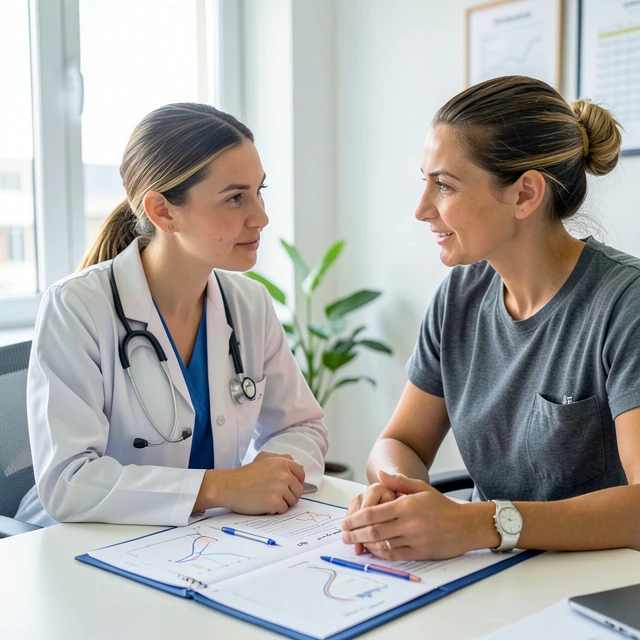
Understanding Chemotherapy and Its Impact on Fertility
Cancer treatment can affect your ability to have children. Many people worry about this deeply. Understanding Chemotherapy and Its Impact on Fertility helps you make informed choices.
Chemotherapy targets fast-growing cells, which unfortunately includes eggs and sperm. The effects vary based on your age, the specific drugs used, and the dosage. Some people regain fertility over time, while others face lasting changes.
Fertility Preservation Options for Cancer Patients
The good news is that fertility preservation offers real pathways forward. Talk to a reproductive specialist as early as possible—ideally before treatment starts.
Key Fertility Preservation Options for Cancer Patients include: - Egg freezing (oocyte cryopreservation) - Embryo freezing - Sperm banking - Ovarian tissue freezing (especially useful when time is limited)
Fertility preservation during chemotherapy is sometimes possible but trickier. Options like ovarian suppression with medication may help protect ovaries in certain cases, such as with breast cancer. Always discuss risks and benefits with both your oncologist and a fertility expert.

Many survivors successfully build families after cancer. Some use preserved eggs or embryos. Others explore adoption or third-party reproduction. What matters most is exploring your options without pressure and making choices that feel right for you.
Emotional and Mental Well-Being
Fear of recurrence often lingers. This worry can feel intense at first but usually softens with time. Consider joining a support group where you can share experiences with others who understand.
Practice self-compassion. Celebrate small victories like completing a treatment scan or enjoying a favorite activity again. Professional counseling can provide tools to manage anxiety and rebuild confidence.
Relationships may shift too. Partners, family, and friends want to help but might not know how. Open conversations help. Some survivors find new meaning through volunteering, creative pursuits, or career changes that align with their post-cancer priorities.
Building a Fulfilling Life Forward
Many survivors report deeper appreciation for everyday moments. They set boundaries, pursue passions, and focus on what truly matters. Redefine success on your terms.
Consider these actionable steps: 1. Create a wellness routine that fits your energy 2. Reconnect with hobbies you love 3. Strengthen important relationships 4. Explore new opportunities that excite you 5. Advocate for yourself in medical settings
A Message of Hope
Navigating life after cancer takes courage, but you do not walk alone. Thousands of survivors move forward every day, creating meaningful lives filled with joy, purpose, and connection. Your experience has given you strength and perspective that can light the way.
Recovery is not linear, and that is okay. Be patient with yourself. Reach out for support when needed. Focus on today while planning gently for tomorrow.